

“What does KYS mean?” In business, KYS stands for Know Your Supplier, a structured due diligence process that helps companies verify suppliers, assess risks, and maintain regulatory compliance.
As supply chains grow more complex, organizations face rising financial risks, fraud exposure, and compliance pressure.
A strong KYS program protects operational stability and strengthens long-term business continuity. Let’s break it down clearly and thoroughly.
What Does KYS Mean in Business?
In a corporate setting, KYS (Know Your Supplier) refers to a formal system used to evaluate and monitor suppliers before and during business relationships.
It goes beyond simple onboarding. Companies use KYS to verify identities, assess financial health, confirm legal compliance, and screen for sanctions.
Think of it this way: if you trust a supplier with your production line, raw materials, or digital services, you’re tying your success to their reliability. KYS ensures that trust rests on verified data instead of assumptions.
Core Definition
KYS meaning in simple terms:
Know Your Supplier is a structured supplier verification and risk assessment framework designed to reduce regulatory, financial, operational, and reputational risks across the supply chain.
Why KYS Matters More Than Ever
Global supply chains stretch across borders, regulations, and risk environments. That complexity creates exposure.
Here’s what changed in recent years:
- Stricter regulatory requirements
- Expanded sanctions enforcement
- Increased third-party risk exposure
- ESG scrutiny from investors
- Sophisticated fraud schemes
A single weak supplier can cause:
- Operational disruptions
- Massive financial losses
- Reputational damage
- Regulatory penalties
- Long-term supply chain instability
When a supplier fails compliance checks or faces sanctions, the buying company often faces consequences too. That’s why supplier risk management has moved from back-office paperwork to executive-level strategy.
Core Objectives of a Know Your Supplier Program
A well-built Know Your Supplier program focuses on two primary goals: identify risk and mitigate risk.
Risk Identification
Every supplier relationship carries potential exposure. KYS identifies:
- Regulatory Risk – Failure to meet legal standards
- Legal Risk – Contract violations or lawsuits
- Financial Risk – Bankruptcy, insolvency, credit instability
- Fraud Risk – Shell companies, false identities
- Operational Risk – Disruption in production or delivery
- Reputational Risk – Association with unethical practices
- Ethical Risk – Labor violations or corruption
- Third-Party Risk – Indirect exposure through subcontractors
- Supply Chain Risk – Structural vulnerabilities across the network
Risk Mitigation
Once identified, risks are reduced through:
- Continuous supplier monitoring
- Real-time risk tracking
- Automated supplier risk alerts
- Periodic compliance verification
- Structured documentation reviews
In short, KYS builds supply chain resilience.
Key Components of the KYS Due Diligence Process
Let’s examine the operational side of supplier verification.
Supplier Onboarding
This is the foundation.
During onboarding, companies collect:
- Corporate registration documents
- Ownership structure details
- Beneficial ownership information
- Tax identification records
- Bank account verification
Identity verification confirms that the supplier exists legally and operates under legitimate authority.
Without proper onboarding, everything else collapses.
Financial Due Diligence
Suppliers must demonstrate financial stability.
Financial due diligence includes:
- Credit analysis
- Liquidity review
- Revenue trend analysis
- Debt exposure assessment
- Bankruptcy history check
If a supplier struggles financially, you face higher operational risks and potential supply interruptions.
Legal & Regulatory Compliance Checks
Compliance checks validate adherence to:
- Local and international laws
- Industry-specific regulations
- Trade restrictions
- Licensing requirements
This stage includes:
- Regulatory documentation review
- Compliance verification
- Review of certifications
Failure here can result in heavy fines or contract termination.
Sanctions & Export Control Screening
Companies conduct:
- Sanctions list screening
- Export restriction checks
- Ongoing sanctions monitoring
Suppliers connected to restricted jurisdictions create severe legal exposure.
Strong sanctions screening protects against regulatory non-compliance.
ESG & Ethical Compliance
Modern KYS programs include ESG compliance.
Companies now review:
- Environmental practices
- Labor standards
- Anti-corruption policies
- Governance frameworks
Ethical compliance protects brand reputation and investor confidence.
KYS vs KYC vs KYB | Understanding the Difference
These frameworks often overlap.
| Framework | Focus | Purpose | Applies To |
| KYS | Suppliers | Supplier risk management | Third-party suppliers |
| KYC | Customers | Anti-money laundering | Customers |
| KYB | Businesses | Corporate verification | Business clients |
KYS protects your supply chain.
KYC protects your customer base.
KYB protects B2B relationships.
Together, they create full compliance coverage.
Supplier Risk Assessment Framework
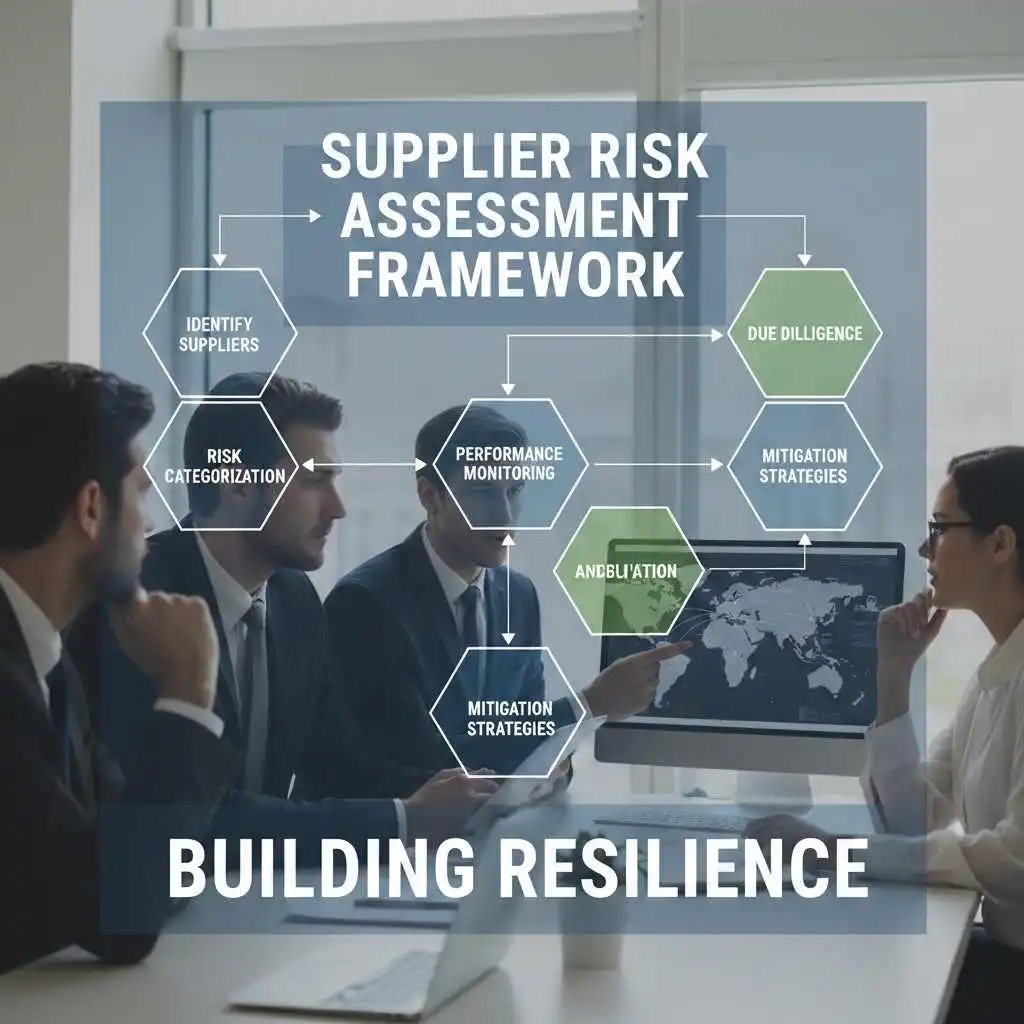
Effective supplier risk assessment uses structured models.
Risk Scoring System
Companies categorize suppliers into:
- Low Risk
- Medium Risk
- High Risk
Scoring considers:
- Geographic risk
- Industry risk
- Financial health
- Compliance history
- Third-party affiliations
Business Impact Analysis
A business impact analysis evaluates how supplier failure affects:
- Production timelines
- Revenue streams
- Customer obligations
- Operational stability
High-impact suppliers require deeper oversight.
Continuous Supplier Monitoring
One-time verification isn’t enough.
Continuous monitoring includes:
- Real-time risk tracking
- Automated compliance alerts
- Updated financial checks
- Ongoing ESG monitoring
This proactive model reduces long-term third-party risk exposure.
Digital KYS Portal & Supplier Management Platforms
Manual spreadsheets don’t scale.
Modern companies use:
- Digital KYS portals
- Digital supplier management platforms
- Integrated compliance verification systems
These tools provide:
- Centralized data management
- Data integrity management
- Automated screening
- Risk dashboards
- Audit-ready documentation
How the Digital Process Works
Supplier → Data Submission → Risk Assessment → Compliance Screening → Approval → Continuous Monitoring
Automation reduces human error and speeds onboarding.
Compliance Challenges in KYS Implementation
Even strong programs face obstacles.
Common challenges:
- Incomplete supplier data
- Outdated monitoring processes
- Cross-border regulatory complexity
- High supplier volume
- Balancing speed with thorough review
Global supply chains amplify complexity.
Companies operating in multiple jurisdictions must meet varied regulatory requirements simultaneously.
Consequences of Ignoring KYS
Skipping KYS creates real financial exposure.
Financial Consequences
- Millions in regulatory penalties
- Contract termination
- Disrupted revenue flow
Operational Consequences
- Production halts
- Inventory shortages
- Delayed deliveries
Reputational Consequences
- Public backlash
- Investor distrust
- Loss of business partnerships
Ignoring supplier compliance doesn’t save money. It increases long-term cost.
Building an Effective Know Your Supplier Program
Strong KYS implementation follows a structured path.
Define Risk Appetite
Decide how much risk your organization can tolerate.
High-risk industries require deeper checks.
Establish Supplier Verification Standards
Create clear documentation requirements:
- Identity verification
- Financial records
- Compliance certifications
- Sanctions screening results
Consistency matters.
Implement Compliance Frameworks
Align with:
- International trade laws
- Industry regulations
- Internal governance policies
Framework alignment improves regulatory readiness.
Deploy Digital Monitoring Tools
Adopt platforms that offer:
- Automated risk alerts
- Integrated fraud detection systems
- Centralized information control systems
Technology improves efficiency and accuracy.
Conduct Continuous Reviews
Suppliers change over time.
Schedule:
- Annual reviews
- Quarterly monitoring
- Trigger-based reassessments
Dynamic oversight strengthens supply chain risk management.
Best Practices for Supply Chain Risk Management
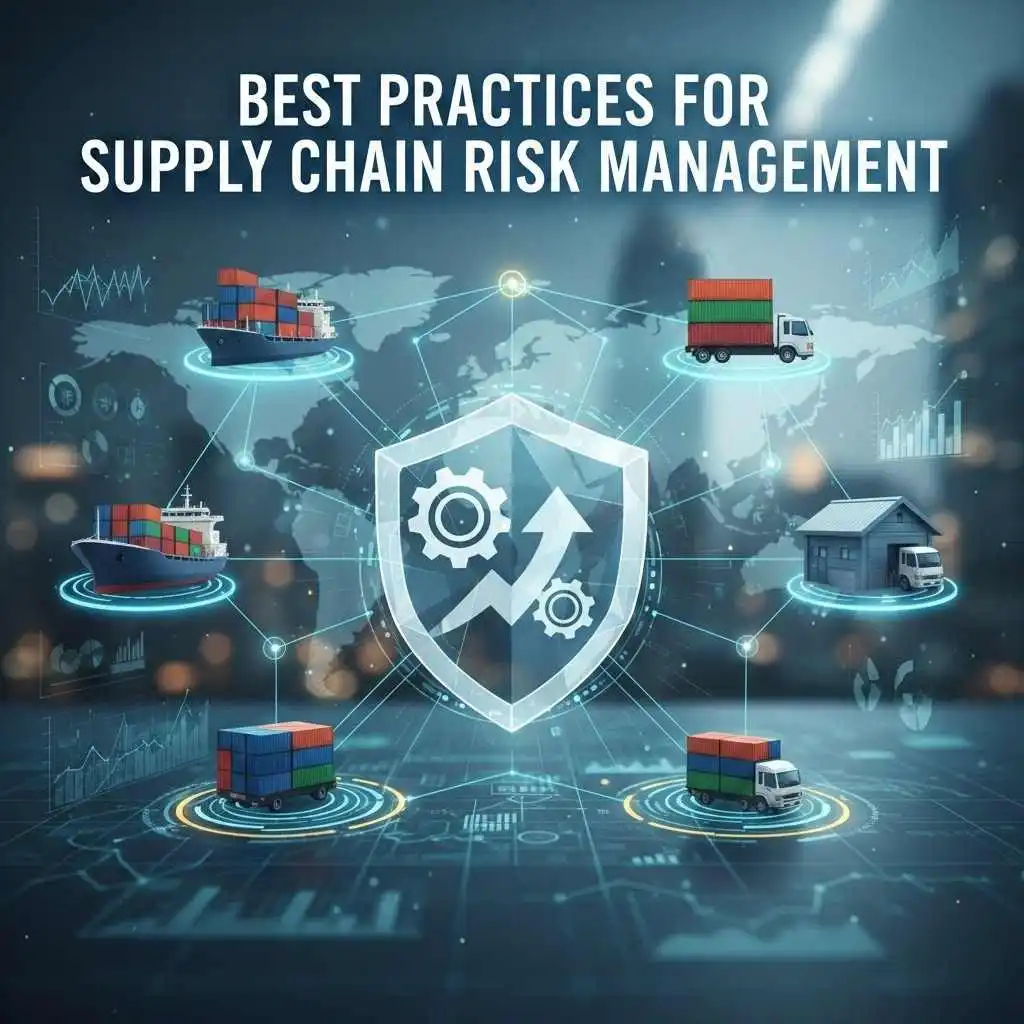
Companies that excel in supplier management follow proven principles.
Centralized Data Control
Maintain one verified data source.
This improves data integrity and reduces duplication.
Cross-Department Collaboration
Compliance isn’t only legal’s job.
Finance, procurement, and operations must coordinate.
Regular Risk Reassessment
Markets shift quickly.
Reassess high-risk suppliers more frequently.
Audit-Ready Documentation
Keep documentation organized and accessible.
Auditors expect transparency.
Automated Risk Alerts
Real-time notifications detect emerging threats early.
This prevents surprise disruptions.
Industries Where KYS Is Critical
Some sectors face higher exposure.
Financial Institutions
Banks rely heavily on third-party risk management due to anti-money laundering regulations.
Manufacturing Companies
Manufacturers depend on global supply networks.
A weak supplier can halt production lines.
Healthcare Organizations
Medical supply compliance requires strict oversight.
Regulatory failures risk patient safety.
Technology Firms
Tech companies depend on outsourced development and cloud services.
Cybersecurity risk increases without strong KYS.
Government Contractors
Government contracts require strict regulatory adherence and export control compliance.
Advanced Risk Categories Explained
To deepen understanding, let’s break down the most critical risk areas.
Regulatory Risk
Occurs when suppliers violate laws or fail compliance checks.
Financial Risk
Triggered by insolvency or liquidity shortages.
Fraud Risk
Includes identity falsification and deceptive financial reporting.
Ethical Risk
Arises from labor violations or environmental misconduct.
Operational Risk
Linked to delays, shortages, or logistics breakdowns.
Each risk category demands structured monitoring.
The Role of Data Management in KYS
Reliable data management drives effective KYS.
Key elements:
- Data accuracy
- Access control
- Record retention policies
- Automated updates
Poor data quality leads to poor decisions.
Strong information control systems ensure accountability.
The Future of Know Your Supplier Compliance
Technology will continue reshaping KYS.
Expect growth in:
- AI-driven risk scoring
- Predictive risk analytics
- Blockchain-based supplier verification
- Integrated ESG reporting
Future-ready companies treat Know Your Supplier compliance as strategic infrastructure.
Not just paperwork.
Frequently Asked Questions About What Does KYS Mean
What does KYS stand for in business?
KYS stands for Know Your Supplier, a supplier verification and compliance framework.
Is KYS legally required?
While not always mandated by name, regulatory compliance laws effectively require supplier due diligence in many industries.
How often should suppliers be reviewed?
High-risk suppliers require continuous monitoring. Low-risk suppliers typically undergo annual review.
What is third-party risk management?
It’s a broader framework addressing risks from all external partners including suppliers.
Conclusion
Understanding what does KYS mean goes far beyond defining an acronym. KYS protects financial stability, strengthens regulatory compliance, and enhances supply chain resilience.
It reduces fraud risk and prevents costly operational disruptions. Companies that treat supplier verification as strategy rather than paperwork gain long-term competitive advantage. Strong KYS programs create stability in uncertain markets.

Ashton Cole is an American author celebrated for his compelling storytelling and ability to capture the depth of human emotions. His works often explore themes of love, resilience, and self-discovery, making him a relatable voice for readers around the world.
He has published several well-received books, including:
-
Whispers of Dawn – a reflective novel about finding hope in life’s darkest moments.
-
Beneath the Silent Sky – a moving story of love, memory, and the bonds that shape us.
-
The Edge of Forever – a thought-provoking tale that blends drama, destiny, and the courage to begin again.
Through his writing, Ashton strives to inspire readers to see beauty in both the struggles and triumphs of life. When he isn’t writing, he enjoys exploring new cities, collecting rare books, and spending time in cozy coffee shops where many of his story ideas take shape.