


“What does HRU mean” in texting, and why do so many people use it in everyday chats?
If you’ve seen “hru” pop up in messages and paused for a second, you’re not alone.
This tiny abbreviation shows up everywhere from casual texts to social media DMs.
Once you understand it, responding becomes effortless and natural.
What Does HRU Mean?
HRU is a common texting abbreviation that stands for “How are you?” People use it as a quick and friendly way to check in on someone without typing the full sentence. It keeps conversations light, casual, and moving fast.
What Does HRU Stand For in Texting?
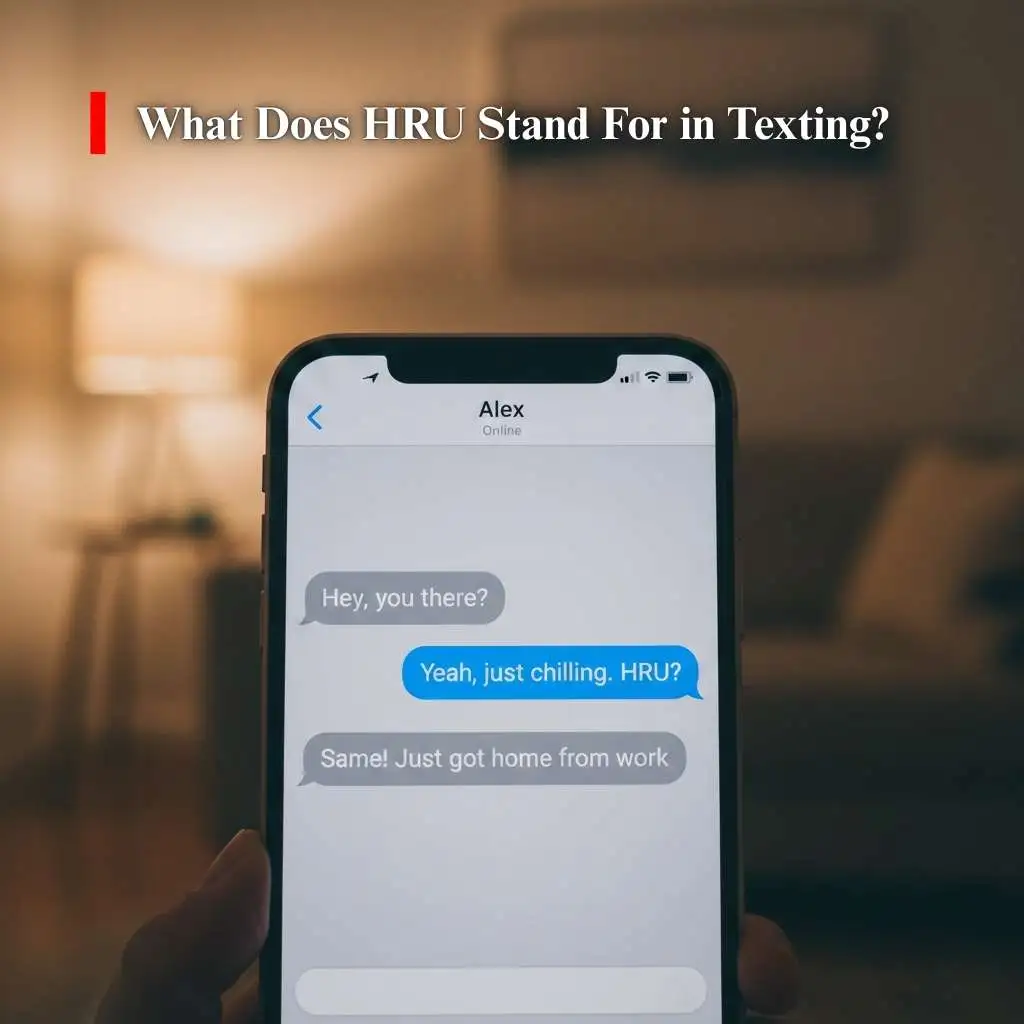
In texting and online chats, HRU is simply the shortened form of How are you. It’s mostly used in informal conversations between friends, classmates, or people who already know each other.
Where Did HRU Come From?
HRU became popular during the early days of SMS texting and online chat rooms when character limits mattered. Shortened phrases helped people reply faster, and over time, abbreviations like HRU became part of everyday internet language.
How Is HRU Used in Conversations?
HRU usually appears at the start of a conversation or right after a greeting. It shows interest without sounding too formal and often invites a response that keeps the chat going.
Is HRU Formal or Informal?
HRU is informal. It works best in relaxed settings like texting, social media, or casual chats. Using it in professional emails or formal conversations can feel too casual or even careless.
Examples of HRU in Real Text Messages
- “Hey! hru?”
- “Long time no see, hru doing?”
- “Just checking in—hru today?”
These examples show how naturally HRU fits into everyday conversations.
How to Reply to HRU

Your reply depends on your mood and how engaged you want to be:
- “I’m good, thanks! hbu?”
- “Doing okay, just busy.”
- “Not great today, honestly.”
Short replies work best and keep the conversation flowing.
Best Replies to HRU Based on Mood
- Feeling good: “Doing great! How about you?”
- Busy: “Good, just caught up with work.”
- Not feeling well: “Honestly, rough day today.”
- Want to chat more: “Pretty good! What’s new with you?”
HRU vs How Are You | What’s the Difference?
The meaning is the same, but the tone is different. “How are you?” sounds polite and neutral, while HRU feels casual and relaxed. People choose HRU when they want speed and informality.
Common Variations of HRU
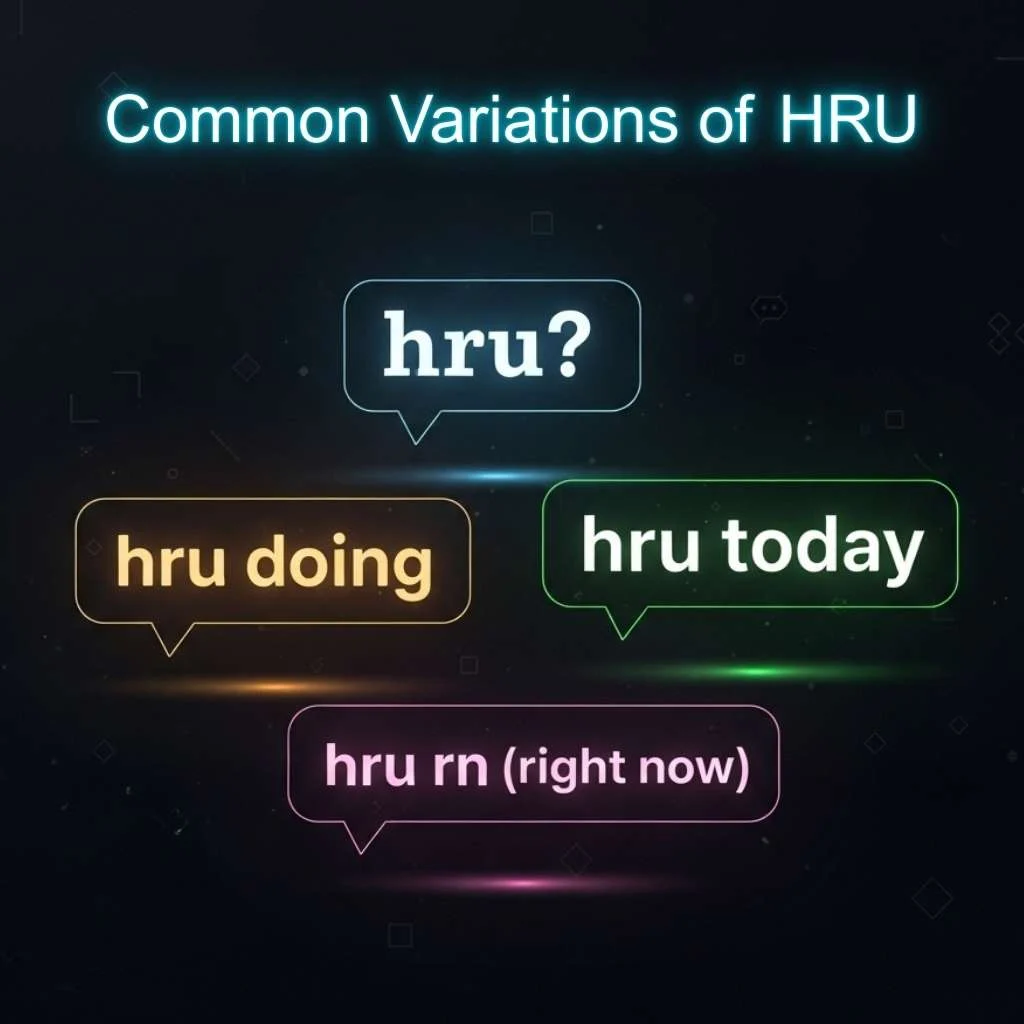
- hru?
- hru doing
- hru today
- hru rn (right now)
All versions mean the same thing with slight tone changes.
Similar Slang and Abbreviations Like HRU
- hbu (how about you)
- sup
- wyd
- how’s it going
These phrases serve a similar conversational purpose.
Can HRU Be Rude or Impolite?
HRU itself isn’t rude, but context matters. If used without a greeting or in a serious situation, it may feel lazy or cold. Adding a simple “hey” before it softens the tone.
Should You Use HRU at Work or With Strangers?
In professional or first-time conversations, it’s better to avoid HRU. Use “How are you?” instead to sound respectful and polished. HRU works best once familiarity is established.
HRU in Social Media and Dating Chats
HRU is extremely common in DMs and dating apps. While it’s safe and friendly, it can feel generic. Pairing it with something personal often gets better replies.
FAQs About HRU Meaning
What does HRU mean in a text message?
It means “How are you?”
Is HRU rude?
No, but it depends on tone and situation.
Can I use HRU with my boss?
It’s better to avoid it in professional settings.
What’s the best reply to HRU?
A short, honest response with a follow-up question works best.
Conclusion
HRU is a simple, friendly abbreviation that means How are you? It’s perfect for casual conversations, quick check ins, and social media chats.
Once you understand when and how to use it, replying feels natural and effortless.

Tyler Wells is an American author known for his captivating storytelling and thoughtful insights into modern life. With a natural talent for weaving words into meaningful narratives, he has built a strong connection with readers who appreciate both authenticity and imagination.
Over the years, Tyler has written several acclaimed books, including “Echoes of the Dawn” (a moving story about hope and new beginnings), “Whispers Between the Lines” (a heartfelt story exploring love, loss, and resilience), and “The Silent Hour” (a suspenseful drama that keeps readers turning pages late into the night). His works blend emotional depth with relatable characters, making them both timeless and relevant for today’s audience.
Beyond writing, Tyler enjoys sharing his thoughts on creativity, personal growth, and the human experience. Whether through his books or his articles, he inspires readers to look at life from new perspectives and embrace their own stories with courage.