


“What does holding space mean?” It means giving someone your full emotional presence without judging, fixing, or interrupting their feelings.
You simply stay with them. No distractions. No pressure. Just calm, compassionate attention. This powerful psychology concept strengthens trust, deepens relationships and helps emotional healing happen naturally.
Most people try to fix emotions quickly. However, real emotional support doesn’t come from solutions. It comes from presence.
Once you understand holding space meaning, you’ll notice how deeply it can transform conversations, relationships, and emotional well being.
Quick Definition | What Does Holding Space Mean?
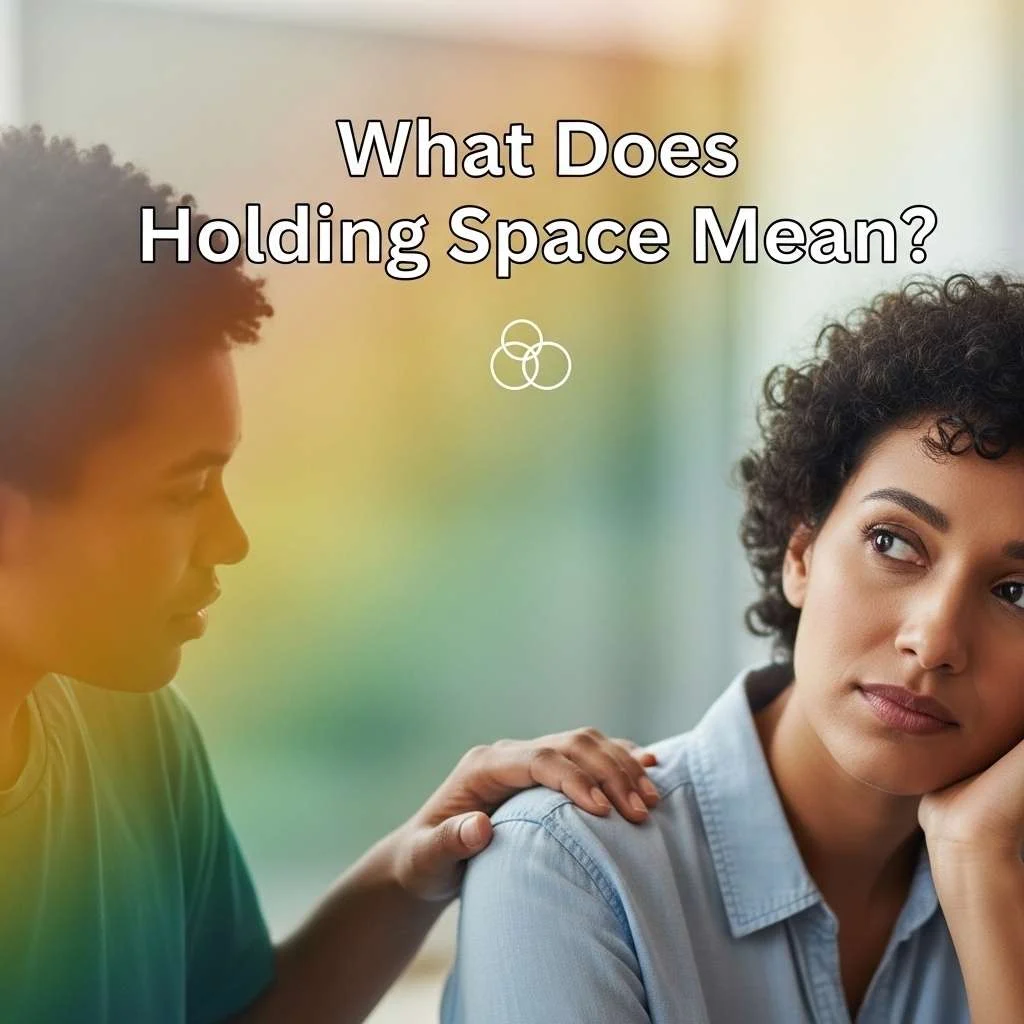
At its core, holding space means being fully present with someone emotionally while allowing them to express their feelings freely.
You don’t judge.
You don’t interrupt.
You don’t try to fix.
You simply stay present.
Simple definition
Holding space means offering your full emotional presence so someone feels safe, seen, and supported while experiencing their emotions.
This concept comes directly from therapy emotional support practices, where therapists help clients process difficult emotions safely.
Everyday example
Imagine your friend just lost their job. Instead of saying:
- “Don’t worry, you’ll find another one soon.”
You say:
- “That sounds really difficult. I’m here with you.”
That is holding emotional space.
The Origin of Holding Space | Where the Concept Comes From
The concept of holding space psychology comes from psychotherapy, especially humanistic therapy developed by psychologist Carl Rogers.
Carl Rogers believed emotional healing happens when people feel:
- Accepted
- Understood
- Emotionally safe
He called this approach unconditional positive regard, which closely aligns with holding space therapy concept meaning.
Over time, therapists, counselors, and emotional intelligence researchers expanded the concept. Today, it plays a central role in:
- Trauma therapy
- Grief counseling
- Relationship therapy
- Emotional intelligence training
- Mindfulness practices
Now, the concept also appears in everyday conversations, relationships, and leadership.
The Psychology Behind Holding Space
To fully understand what holding space means in psychology, you must understand the emotional and neurological mechanisms behind it.
Emotional Presence: The Foundation of Holding Space
Emotional presence means being fully attentive to someone emotionally and mentally.
This includes:
- Undivided attention
- Active listening
- Emotional awareness
- Mindful presence
Your brain detects emotional presence quickly. Humans evolved to sense emotional safety. When someone feels emotionally safe, their nervous system relaxes.
This allows emotional processing to happen naturally.
Emotional Validation: Why Feeling Seen Matters
Emotional validation psychology explains that when people feel understood, their emotional intensity decreases.
Validation communicates:
- Your feelings matter
- Your emotions are real
- You are not alone
Without validation, people often feel:
- Isolated
- Misunderstood
- Emotionally rejected
Validation strengthens emotional stability.
Emotional Intelligence and Holding Space
Emotional intelligence (EQ) plays a critical role in holding space effectively.
Emotional intelligence includes:
| Emotional Intelligence Component | Role in Holding Space |
| Self-awareness | Recognizing your emotional reactions |
| Empathy | Understanding others’ emotions |
| Emotional regulation | Staying calm emotionally |
| Emotional awareness | Detecting emotional signals |
Higher emotional intelligence empathy improves your ability to hold space.
Nervous System Regulation and Emotional Co-Regulation
Humans naturally regulate emotions through social interaction. This process is called emotional co-regulation.
When you stay calm, their nervous system calms too.
This happens because of mirror neurons, which allow humans to reflect emotional states.
Your calm presence becomes emotional stability for others.
This explains why holding space therapy concept works so effectively.
What Holding Space Is NOT
Many people misunderstand holding space meaning. They confuse it with fixing problems or giving advice.
Here’s a clear comparison:
| Holding Space | Not Holding Space |
| Listening calmly | Interrupting frequently |
| Being emotionally present | Checking phone while listening |
| Validating feelings | Dismissing emotions |
| Creating emotional safety | Judging emotional reactions |
| Allowing emotional expression | Trying to control emotions |
What holding space does NOT include:
- Giving immediate advice
- Trying to fix emotions
- Minimizing feelings
- Changing the subject
- Making it about yourself
Holding space focuses entirely on emotional presence.
Real Life Examples of Holding Space
Understanding theory helps. However, real examples make the concept clear.
Holding Space During Grief
When someone loses a loved one, emotional pain feels overwhelming.
Holding space means saying:
- “I’m here with you.”
- “You don’t have to go through this alone.”
Not saying:
- “Everything happens for a reason.”
Grief needs emotional presence, not solutions.
Holding Space in Relationships
In romantic relationships, emotional presence builds trust.
Example:
Your partner says:
- “I’ve been feeling really stressed.”
Holding space response:
- “Tell me more about what’s been weighing on you.”
This builds emotional connection.
Holding Space for Anxiety
When someone feels anxious, they often don’t need advice. They need emotional grounding.
Holding space means:
- Staying calm
- Listening attentively
- Providing emotional reassurance
Your calm presence helps regulate their anxiety.
Holding Space as a Parent
Children need emotional safety to develop emotional intelligence.
When a child cries, holding space means:
- Letting them express emotions
- Not dismissing their feelings
- Helping them feel emotionally secure
This strengthens emotional development.
Why Holding Space Is So Powerful
The emotional and psychological benefits of holding emotional space meaning are profound.
Creates Emotional Safety
Emotional safety allows emotional healing.
When people feel safe, they open emotionally.
Strengthens Trust in Relationships
Trust builds when people feel emotionally supported.
Holding space communicates:
- Reliability
- Compassion
- Emotional availability
Helps Emotional Processing
Suppressing emotions causes emotional stress.
Holding space allows emotions to move naturally.
This improves emotional health.
Reduces Anxiety and Emotional Distress
Emotional presence calms the nervous system.
This reduces stress hormones like cortisol.
Builds Deep Emotional Connection
Strong relationships rely on emotional presence.
Holding space strengthens emotional bonds.
How to Hold Space for Someone
Holding space is a skill. You can develop it with practice.
Step 1: Be Fully Present
Remove distractions.
Put your phone away.
Make eye contact.
Your presence communicates emotional support.
Step 2: Listen Without Interrupting
Active listening is essential.
Avoid interrupting or correcting.
Allow emotional expression.
Step 3: Avoid Fixing or Solving
Fixing emotions often invalidates emotional experience.
Instead, focus on emotional understanding.
Step 4: Validate Their Feelings
Validation strengthens emotional safety.
Examples:
- “That makes sense.”
- “I understand why you feel that way.”
- “That sounds really difficult.”
Step 5: Stay Calm and Emotionally Grounded
Emotional stability helps others regulate emotions.
Your calm presence becomes emotional safety.
Step 6: Allow Silence
Silence allows emotional processing.
You don’t need to fill every pause.
Silence often communicates deep emotional support.
How Therapists Hold Space for Clients

Therapists train extensively in holding space psychology definition.
They use specialized techniques:
Therapeutic Techniques Used by Professionals
- Active listening
- Non-judgmental presence
- Emotional validation
- Emotional containment
- Mindfulness-based emotional support
Therapists create a safe emotional environment where emotional healing happens naturally.
This explains why therapy feels emotionally relieving.
Holding Space vs Empathy vs Sympathy
These concepts overlap but differ significantly.
| Concept | Definition | Emotional Depth |
| Holding Space | Being emotionally present without fixing | Highest |
| Empathy | Understanding others’ emotions | High |
| Sympathy | Feeling sorry for someone | Lower |
Holding space includes empathy but goes further.
It involves emotional presence, not just emotional understanding.
Signs Someone Is Holding Space for You
Recognizing emotional support helps build emotional awareness.
Signs include:
- They listen without interrupting
- They stay fully present
- They don’t judge you
- They validate your emotions
- They allow emotional expression
You feel emotionally safe around them.
Signs You Are NOT Holding Space
Many people unintentionally fail to hold space.
Common mistakes include:
- Giving unsolicited advice
- Interrupting frequently
- Minimizing emotions
- Being distracted
- Changing the subject
These behaviors weaken emotional connection.
How to Hold Space for Yourself
Self-emotional support is equally important.
You can hold space for yourself through:
Mindfulness
Observe emotions without judgment.
Accept emotional experience.
Journaling
Writing helps emotional processing.
It improves emotional awareness.
Self Compassion
Treat yourself with emotional kindness.
Avoid self-criticism.
Emotional Acceptance
Allow emotions to exist naturally.
Emotions need acknowledgment.
Not suppression.
Holding Space in Different Contexts

Holding space applies across multiple areas of life.
Holding Space in Relationships
Improves emotional intimacy.
Strengthens trust.
Holding Space in Friendships
Deepens emotional connection.
Builds stronger bonds.
Holding Space in Therapy
Supports emotional healing.
Improves mental health outcomes.
Holding Space in Leadership
Emotionally intelligent leaders build trust.
This improves team performance.
Holding Space in Parenting
Supports emotional development.
Builds emotional resilience.
Why Holding Space Is More Important Today Than Ever
Modern life increases emotional stress.
Digital distractions reduce emotional presence.
Social media replaces real emotional connection.
Holding space restores emotional connection.
This improves mental health and emotional well-being.
Simple Phrases That Help You Hold Space
Use emotionally supportive language.
Examples include:
- “I’m here with you.”
- “You don’t have to go through this alone.”
- “I’m listening.”
- “Take your time.”
- “Your feelings matter.”
These phrases strengthen emotional support.
Psychological Facts About Holding Space
Scientific research confirms emotional presence improves mental health.
Key Psychological Facts
- Emotional validation reduces emotional distress
- Emotional support improves emotional regulation
- Emotional presence strengthens trust
- Emotional intelligence improves relationships
Emotional support improves emotional resilience.
Benefits of Holding Space Summary Table
| Benefit | Psychological Impact |
| Emotional safety | Reduces anxiety |
| Emotional validation | Improves emotional stability |
| Emotional support | Strengthens relationships |
| Emotional presence | Improves emotional health |
| Emotional intelligence | Improves communication |
Frequently Asked Questions
What does holding space mean in psychology?
In psychology, holding space means providing emotional presence and support without judgment, allowing emotional expression safely.
Why is holding space important in relationships?
It strengthens trust, improves emotional connection, and enhances emotional safety between partners.
Is holding space the same as empathy?
No. Empathy involves understanding emotions. Holding space involves emotional presence without fixing.
How do therapists hold space for clients?
Therapists use active listening, emotional validation, and non-judgmental presence to create emotional safety.
Can you hold space for yourself?
Yes. Mindfulness, journaling, and emotional acceptance help you hold emotional space for yourself.
Conclusion
Understanding what does holding space mean transforms how you support others emotionally. It teaches you to listen deeply, validate feelings, and create emotional safety.
This simple yet powerful practice strengthens relationships, improves emotional intelligence, and promotes emotional healing.
When you offer emotional presence instead of solutions, you build trust and genuine connection. Holding space isn’t complicated. It’s simply being fully present with compassion.

Ashton Cole is an American author celebrated for his compelling storytelling and ability to capture the depth of human emotions. His works often explore themes of love, resilience, and self-discovery, making him a relatable voice for readers around the world.
He has published several well-received books, including:
-
Whispers of Dawn – a reflective novel about finding hope in life’s darkest moments.
-
Beneath the Silent Sky – a moving story of love, memory, and the bonds that shape us.
-
The Edge of Forever – a thought-provoking tale that blends drama, destiny, and the courage to begin again.
Through his writing, Ashton strives to inspire readers to see beauty in both the struggles and triumphs of life. When he isn’t writing, he enjoys exploring new cities, collecting rare books, and spending time in cozy coffee shops where many of his story ideas take shape.