

“What does DP mean” is a question many people ask after seeing comments like “Nice DP” or “Change your DP” in chats.
If you’ve ever felt confused by it, you’re not alone. I remember seeing this term for the first time and wondering why everyone kept mentioning my photo.
Once you understand it, DP becomes one of the easiest internet terms to use confidently.
What Does DP Mean?
Many people see the term “DP” daily on social media but don’t always know its exact meaning or why it’s so commonly used online. As digital communication grows, short forms like DP help users talk faster and keep conversations simple. Knowing what DP means also helps you better understand social media features and online chat language.
DP usually means Display Picture.
People use it to refer to the photo you set on your profile in apps like WhatsApp, Instagram, or Facebook.
In simple words, DP = your profile picture.
What Is the Full Form of DP?
The full form of DP is Display Picture.
The term became popular during the early days of chat apps and forums when users needed a short way to describe profile photos. Over time, DP turned into a common internet shorthand, especially in South Asia and among frequent chat users.
What Does DP Mean in Chat and Texting?
In chatting and texting, DP almost always means profile photo.
People use it casually to:
- Compliment your photo
- Ask you to update it
- Talk about someone’s appearance online
Common chat examples:
- “Your DP looks amazing.”
- “Why did you remove your DP?”
- “Put a new DP, this one is old.”
The tone is usually friendly and informal.
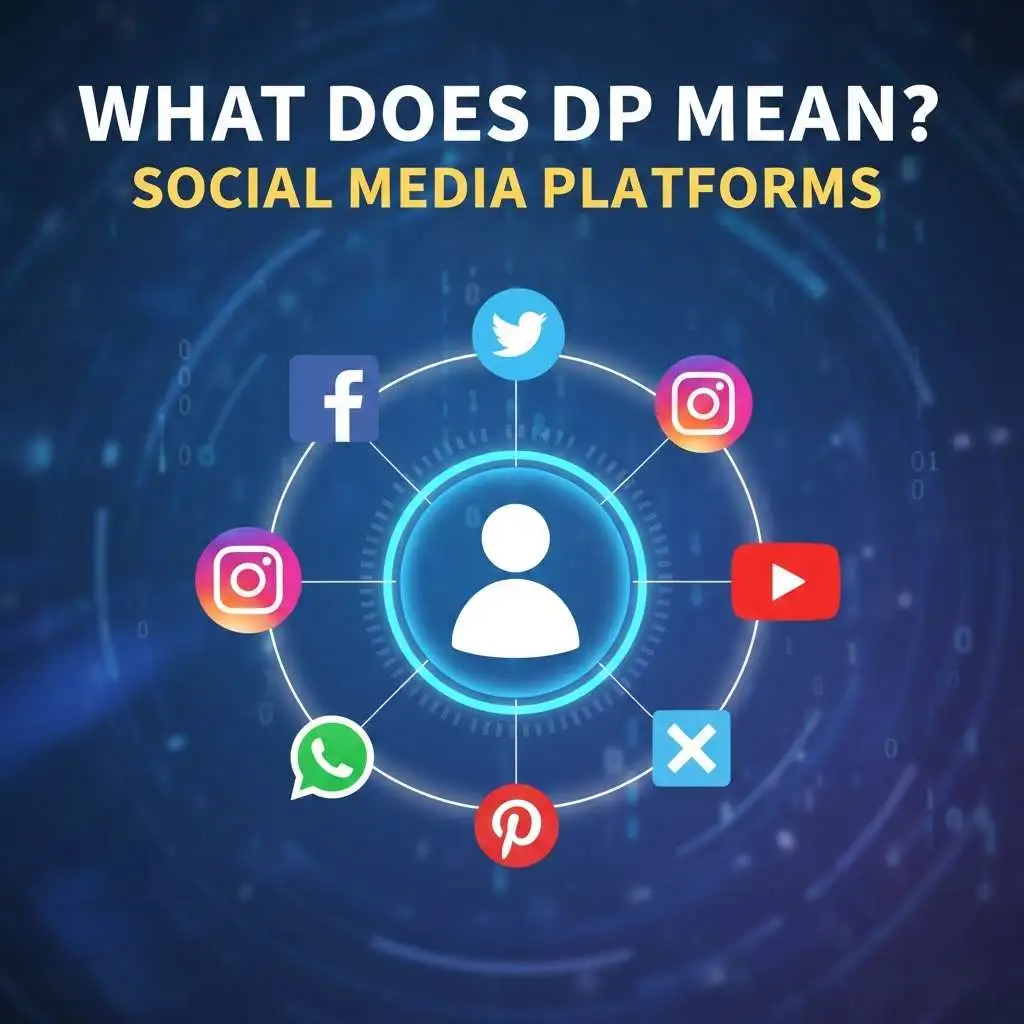
What Does DP Mean on Social Media Platforms?
DP Meaning on WhatsApp
On WhatsApp, DP refers to your profile picture that others see in chats and contacts. Privacy settings can control who views your DP, which is why people often say things like, “Your DP is hidden.”
DP Meaning on Instagram
Instagram officially calls it a profile picture, but many users still say DP out of habit. Comments like “Cool DP” usually point to your profile photo, not a post.
DP Meaning on Facebook
On Facebook, DP traditionally refers to your profile picture, especially among long-time users. The term is less common with newer users but still widely understood.
DP Meaning on Snapchat & TikTok
DP is less common on these platforms. Users usually say “profile pic,” but DP is still understood if someone uses it.
DP vs Profile Picture | Is There Any Difference?
Functionally, there is no difference.
- DP = Display Picture
- Profile Picture = Official platform term
The difference is mostly regional and cultural. DP is more popular in everyday conversation, while “profile picture” sounds more formal.
Other Meanings of DP
While Display Picture is the most common meaning, DP can stand for other things depending on context:
- Professional fields: Data Processing, Double Precision
- Photography: Depth of field references
- Online slang: Rarely, DP may have adult meanings
Always look at the context before assuming the meaning. In normal chats and social media, DP almost always means profile photo.
How to Use DP Correctly in a Sentence
Correct casual usage:
- “That DP really suits you.”
- “I like your new DP.”
When to avoid using DP:
- Formal emails
- Professional documents
- Workplace communication
In formal settings, use “profile picture” instead.
Is DP Still Commonly Used Today?
Yes, DP is still widely used, especially:
- In WhatsApp conversations
- In South Asian countries
- Among frequent social media users
However, younger users increasingly prefer “PFP” or “profile pic.”
FAQs About DP Meaning
What does DP stand for in chat?
DP stands for Display Picture.
Is DP the same as profile picture?
Yes, they mean the same thing.
Is DP a slang word?
Yes, it’s an informal internet abbreviation.
Can DP have inappropriate meanings?
In rare contexts, yes. Always check how it’s being used.
Should I use DP in formal writing?
No, use “profile picture” instead.
Conclusion
DP simply means Display Picture, a quick and casual way to talk about profile photos online. While it can have other meanings, context makes everything clear.
Once you understand how and where DP is used, you’ll never feel confused when you see it again.
Discover More:
- Discover What Does Annual Income Mean? Complete Guide to Gross, Net and Yearly Earnings
- A Guide to What Does Chuzz Mean? The Real Slang Meaning Most People Misunderstand
- Explore What Does Gringo Mean? Real Definition, Origin, Cultural Truth and Hidden Meaning Explained

Edward Grant is an American author known for his modern storytelling and thought-provoking narratives. With a passion for exploring human emotions, relationships, and the complexities of everyday life, Edward writes in a style that feels both relatable and inspiring. His journey as a writer began in his early 20s, fueled by a love for literature and a deep curiosity about the world around him.
Over the years, Edward has developed a reputation for crafting characters that feel real, layered, and unforgettable. Whether he’s writing contemporary fiction or reflective essays, his work resonates with readers who value authenticity and emotional depth. Beyond writing, Edward is also an avid reader and enjoys spending time in quiet libraries and creative workspaces where new ideas come to life.
Some of his notable works include Whispers of Tomorrow, Shadows of the Heart, and The Last Horizon, each of which has received appreciation for its unique voice and meaningful storytelling.