

“What does don’t tread on me mean” is a question many people ask after seeing the phrase on a bright yellow flag, a T-shirt or a bumper sticker.
At first glance, it feels bold, even confrontational. But behind these four words lies a deep story of freedom, warning, and resistance.
Understanding its meaning helps you see why this phrase still sparks emotion centuries later.
What Does “Don’t Tread on Me” Literally Mean?
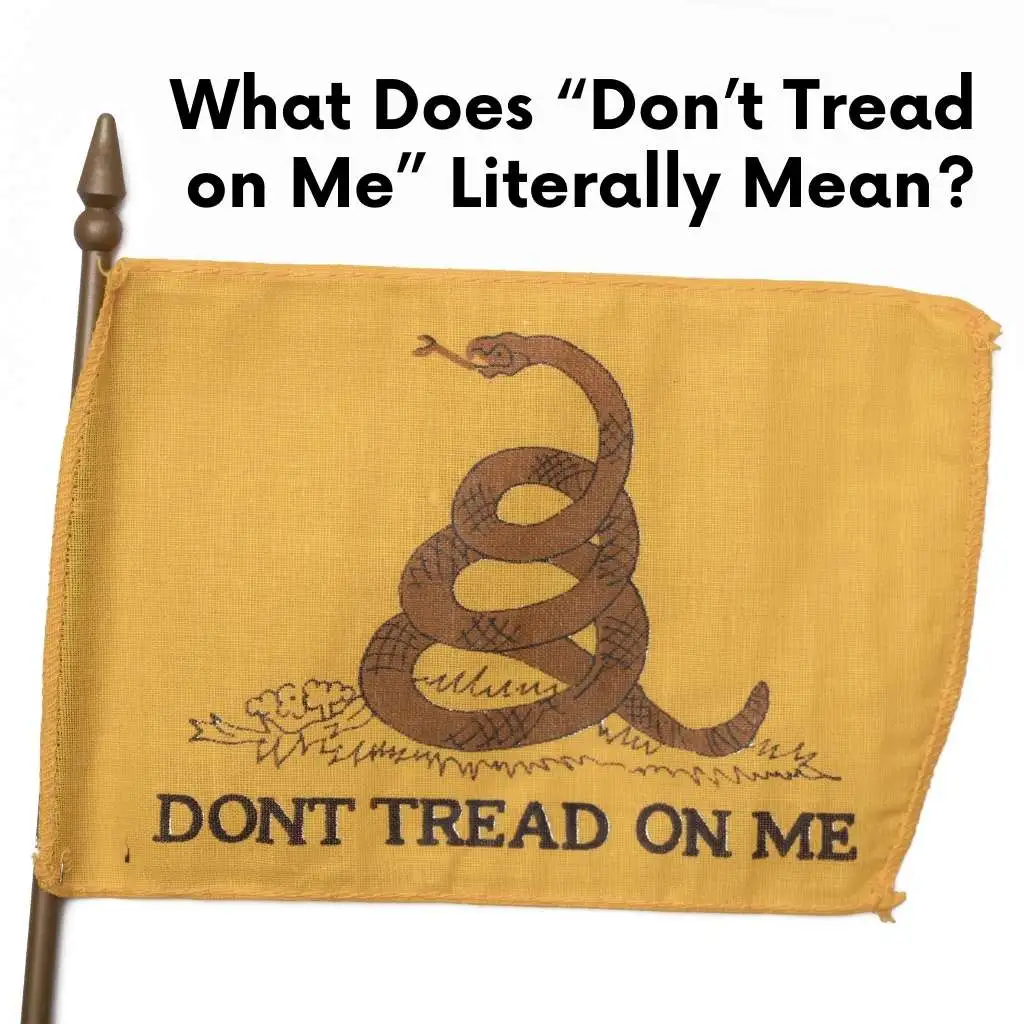
“Don’t tread on me” is a powerful phrase that has been used for centuries to express personal freedom and resistance. It often appears in historical, political, and cultural contexts where people want to protect their rights or independence. Because of its strong symbolism, the phrase quickly grabs attention and carries a deeper message beyond its simple literal words.
Taken literally, “Don’t tread on me” is a warning.
It means do not step on me, do not harm me, or do not cross my boundaries.
The tone is defensive, not aggressive.
It doesn’t threaten attack first. Instead, it clearly says: leave me alone, or face consequences.
The Historical Origin of “Don’t Tread on Me”
The phrase dates back to the American Revolutionary era in the 1700s. At the time, American colonists felt oppressed by British rule, heavy taxation, and lack of representation.
They needed symbols that communicated resistance without long explanations.
“Don’t tread on me” became a simple but powerful message against control and domination.
The Gadsden Flag Explained
The phrase is most famously linked to the Gadsden Flag, designed in 1775 by Christopher Gadsden, a soldier and statesman.
The flag features:
- A yellow background
- A coiled rattlesnake
- The words “Don’t Tread on Me”
It was originally used by American naval forces during the Revolutionary War as a warning to the British.
Why a Rattlesnake? The Symbolism Behind the Image
The rattlesnake wasn’t chosen randomly.
In colonial America, it symbolized:
- Alertness and awareness
- Defense rather than aggression
- Strength when provoked
A rattlesnake warns before it strikes.
That made it the perfect symbol for colonists who wanted independence but not unnecessary conflict.
What “Don’t Tread on Me” Meant During the American Revolution
To early Americans, the phrase meant:
- Freedom from tyranny
- Resistance to unfair rule
- The right to self-govern
It united people who believed liberty was worth defending.
The message was clear: Respect our rights, or we will defend them.
How the Meaning Evolved Over Time
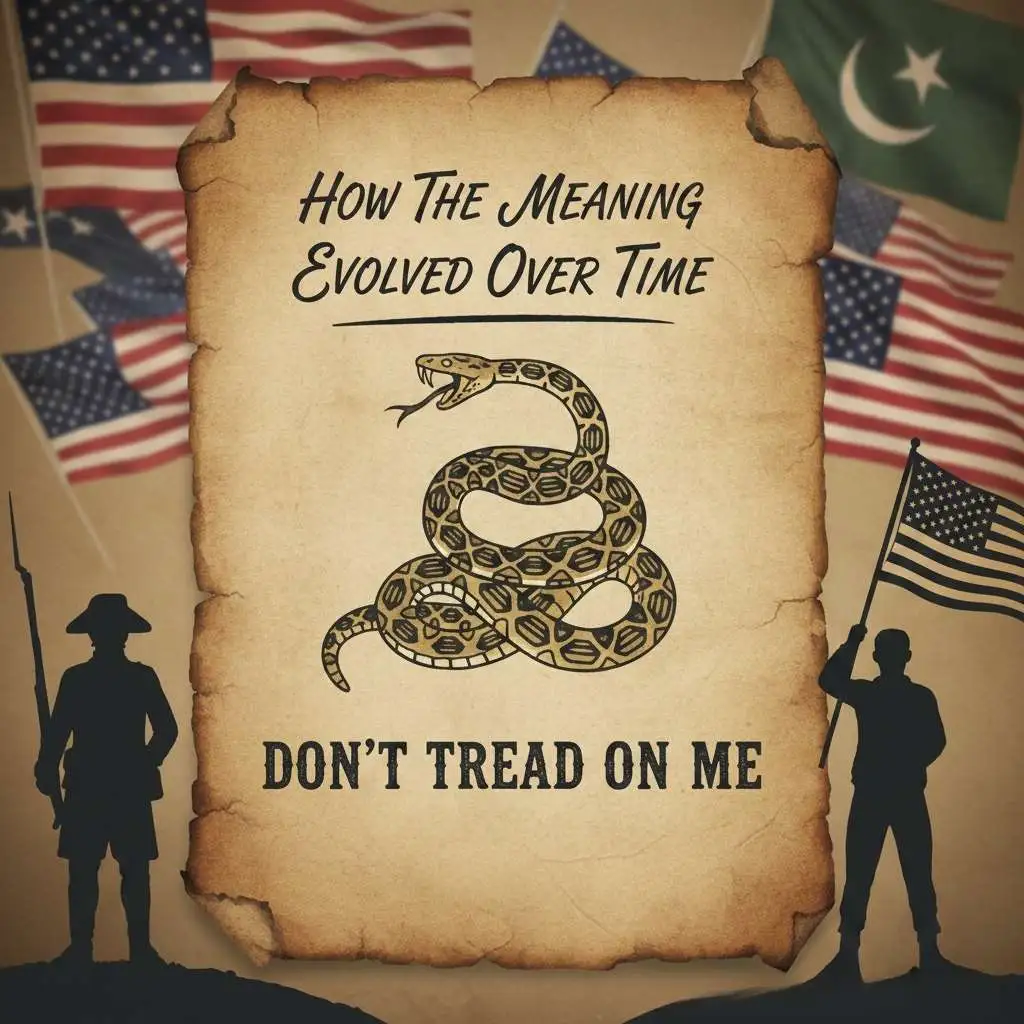
After independence, the phrase didn’t disappear.
Instead, it evolved.
Over the years, it appeared in:
- Military symbols
- Political movements
- Cultural and protest imagery
While contexts changed, the core idea stayed the same: personal freedom and resistance to control.
What Does “Don’t Tread on Me” Mean Today?
Today, the phrase carries different meanings depending on who uses it.
Many see it as a symbol of:
- Individual liberty
- Limited government
- Personal rights
Others view it through a political lens.
Its modern meaning often depends on context, location, and intent.
Is “Don’t Tread on Me” a Political Statement?
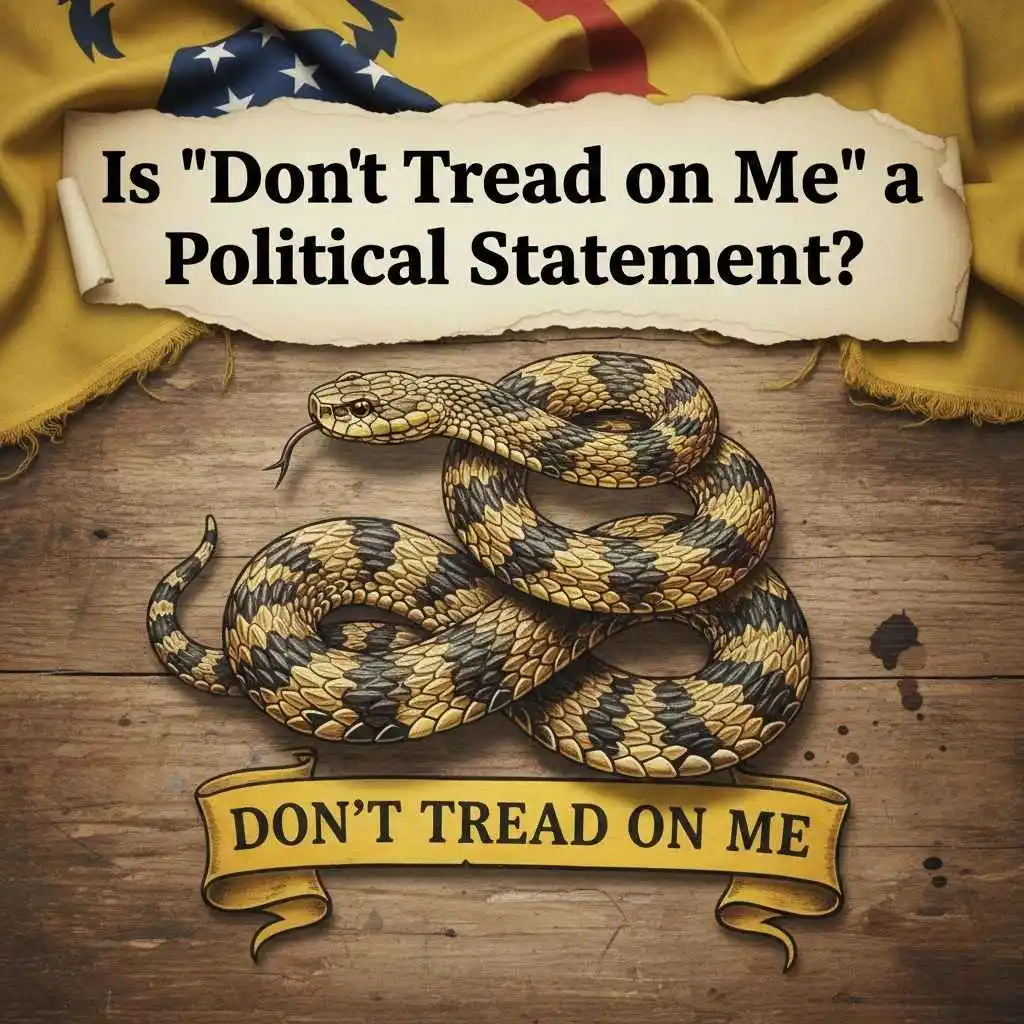
It can be, but it wasn’t originally created for politics as we know them today.
Historically, it was about freedom from oppression.
In modern times:
- Some view it as patriotic
- Others see it as controversial
The phrase itself hasn’t changed.
Interpretations have.
Common Misunderstandings About “Don’t Tread on Me”
One common myth is that it promotes aggression. In reality, it promotes defensive resistance, not unprovoked conflict.
Another misunderstanding is assuming everyone who uses it shares the same beliefs. Symbols often mean different things to different people.
Where You Commonly See “Don’t Tread on Me”
You’ll often find the phrase on:
- Flags and banners
- Clothing and accessories
- Stickers, patches, and tattoos
Its visibility shows how deeply it remains embedded in modern culture.
Why the Phrase Still Resonates Today
The reason is simple.
People everywhere value freedom and autonomy.
A short phrase that clearly defends personal boundaries will always feel relevant, especially in times of uncertainty or change.
Conclusion
So, what does don’t tread on me mean at its core? It’s a historic warning, a symbol of independence, and a statement about personal freedom.
While its modern interpretations vary, its original message remains powerful. Understanding its history helps separate meaning from assumption and symbolism from stereotype.
Discover More:
- Explained What Does FML Mean in Text? Full Form, Real Meaning, Examples and How to Use It Correctly in 2025
- Discover What Does 40 Acres and a Mule Mean? The True Story Behind America’s Most Powerful Broken Promise
- Find Out What Does Adjacent Mean? Simple Definition, Real Examples and Easy Math Explanation for 2026

Tyler Wells is an American author known for his captivating storytelling and thoughtful insights into modern life. With a natural talent for weaving words into meaningful narratives, he has built a strong connection with readers who appreciate both authenticity and imagination.
Over the years, Tyler has written several acclaimed books, including “Echoes of the Dawn” (a moving story about hope and new beginnings), “Whispers Between the Lines” (a heartfelt story exploring love, loss, and resilience), and “The Silent Hour” (a suspenseful drama that keeps readers turning pages late into the night). His works blend emotional depth with relatable characters, making them both timeless and relevant for today’s audience.
Beyond writing, Tyler enjoys sharing his thoughts on creativity, personal growth, and the human experience. Whether through his books or his articles, he inspires readers to look at life from new perspectives and embrace their own stories with courage.