

“What does crash out mean?” You’ve probably seen the phrase flood comment sections, captions, and memes lately. Someone misses a bus and says they’re about to “crash out.”
A minor argument happens and suddenly it’s “crash out mode activated.” At first glance, it sounds funny. Dramatic. Even exaggerated.
However, when you peel back the humor, the phrase reveals something deeper about Gen Z slang, emotional overwhelm, and modern mental health struggles.
Let’s break it down clearly, honestly, and without fluff.
Crash Out Meaning | The Simple Definition
At its core, Crash Out Meaning refers to an intense emotional reaction to stress, frustration, or disappointment. When someone says they’re “crashing out,” they usually mean they’re about to lose control emotionally.
That loss of control can look different depending on the person.
It might involve:
- An emotional outburst
- An angry rant
- Impulsive or reckless behavior
- Or complete emotional shutdown
In casual speech, “crash out” exaggerates a moment of frustration. But in real life, it can reflect something more serious like emotional distress, overstimulation, or mental health burnout.
Crash Out vs Crash Out Mode
People often say they’re entering Crash Out Mode. That phrase suggests a buildup.
Imagine stress stacking up all day:
- Traffic.
- Work pressure.
- Relationship tension.
- Notifications buzzing nonstop.
Then one small thing tips the scale.
That’s when someone says, “I’m about to crash out.”
It signals a breaking point.
Where Did “Crash Out” Come From?
Like most modern slang, the term spread rapidly through TikTok. Short clips showing dramatic reactions turned the phrase into a viral slang staple.
Reaction culture thrives online. Someone overreacts. The clip loops. Comments explode. A meme is born.
Reality TV amplified it further. A moment on Love Island featuring Huda gained attention when viewers described her intense reaction as a “crash out moment.” That label stuck.
From there, it entered broader meme culture and everyday internet slang.
Gen A/Z-ers often turn emotional extremes into humor. Language evolves fast online. What once took decades now spreads in days.
What Does Crashing Out Look Like in Real Life?
Crashing out isn’t one-size-fits-all. It usually falls into two categories: explosive or internal.
Emotional Outburst Version
This version looks loud.
Common signs include:
- Snapping on someone
- Yelling or lashing out
- Anger outbursts
- Impulsive behavior
- Slamming doors
- Saying hurtful things
Physical symptoms often show up too:
- Heavy breathing
- Rapid heartbeat
- Trembling or shaking
These mirror early panic attack symptoms although they aren’t always a panic attack.
Example:
You argue with your partner about something small. You suddenly bring up old issues. Your voice rises. Later, you regret everything you said.
That’s crashing out in explosive form.
Emotional Shutdown Version
This one is quieter.
Signs include:
- Silent treatment
- Emotional numbness
- Emotional detachment
- Brain fog
- Social withdrawal
- Avoiding conversations
Instead of yelling, the person disconnects. They shut down emotionally.
This version often overlaps with emotional exhaustion and early signs of burnout symptoms.
Example:
You feel overwhelmed at work. Instead of arguing, you stop replying to messages. You isolate. You feel nothing.
That’s crashing out inwardly.
Crash Out vs Meltdown vs Panic Attack
People confuse these terms constantly. They overlap but differ in key ways.
Here’s a clear comparison:
| Term | Emotional Control | Physical Symptoms | Duration | Common Trigger |
| Crash Out | Low control | Possible shaking, rapid heartbeat | Minutes to hours | Accumulated stress |
| Emotional Breakdown | Very low control | Crying, exhaustion | Hours to days | Major life stress |
| Burnout | Gradual depletion | Fatigue, brain fog | Weeks to months | Chronic stress |
| Panic Attack | Sudden loss of control | Chest tightness, dizziness | 5–30 minutes | Acute fear trigger |
Crash out often sits between everyday frustration and a full emotional breakdown.
It’s not always clinical. But repeated crashing out can signal deeper issues.
Is Crash Out a Mental Health Red Flag?
Sometimes yes. Sometimes no.
Everyone feels overwhelmed. Modern life produces constant stimulation. Notifications, deadlines, expectations.
However, frequent crashing out may indicate:
- Poor emotional regulation
- Chronic daily stressors
- Unmanaged mental health burnout
- Emotional overwhelm
- Difficulty with boundaries
Warning signs include:
- Repeated relationship damage
- Daily functioning impairment
- Escalating impulsive behavior
- Increasing social withdrawal
When crash outs become your default coping mechanism, it’s no longer just slang. It’s a signal.
Why Gen Z Uses “Crash Out” So Much
The rise of this phrase says something about modern culture.
Several forces drive it:
Digital Overload
The average person receives hundreds of notifications daily. Constant alerts create overstimulation.
The brain never fully rests.
Overwhelm Culture
Productivity pressure never ends. Side hustles. School. Social comparison.
People joke about crashing out because they feel close to burnout.
Meme Humor as Coping
Turning stress into humor reduces stigma. When someone says “I’m crashing out,” they soften the seriousness.
It becomes relatable.
Emotional Awareness
Unlike older generations, Gen A/Z-ers talk openly about mental well-being. They label emotions faster.
Sometimes that awareness blends clinical language with slang.
Common Triggers That Lead to Crashing Out
Crashing out rarely starts with one massive event. It builds quietly.
Common triggers include:
- Minor inconveniences stacking up
- Sleep deprivation
- Relationship conflict
- Financial stress
- Academic pressure
- Technology overload
- Social media comparison
- Lack of boundaries
Imagine a glass filling with water. Each stressor adds a drop.
Eventually, it spills.
That spill is the crash out.
The Psychology Behind Emotional Overwhelm
To understand crashing out, you need to understand stress response.
When the brain senses threat or overload, it activates fight, flight, or freeze.
- Fight looks like anger and lashing out.
- Flight looks like avoidance.
- Freeze looks like shutdown and numbness.
Crash outs often reflect the fight or freeze response.
Cortisol rises. Heart rate increases. Rational thinking decreases.
You react before you think.
That’s why many people regret what they say during a crash out.
How to Stop Yourself From Crashing Out
You don’t fix this with willpower alone. You need tools.
Immediate Grounding Techniques
These interrupt escalation:
- 4-7-8 breathing
- Splashing cold water
- Taking a 10-minute pause
- Naming five things you see
- Stepping outside briefly
These reduce physical stress signals.
Emotional Regulation Skills
Regulation means noticing feelings before they explode.
Try:
- Labeling the emotion clearly
- Asking, “What triggered this?”
- Setting firm boundaries
- Practicing pause before response
Even saying, “I need a minute,” prevents damage.
Long-Term Stress Management
Crash outs decrease when baseline stress lowers.
Helpful strategies:
- Digital detox days
- Consistent sleep
- Exercise routines
- Therapy or counseling
- Work-life balance adjustments
- Journaling instead of posting
Coping mechanisms should calm the nervous system not fuel it.
When to Seek Professional Help
Occasional crash outs happen.
However, seek support if you experience:
- Frequent emotional shutdown
- Severe anger outbursts
- Panic-like symptoms regularly
- Relationship breakdowns
- Persistent hopelessness
Professional support options include:
- Licensed therapists
- Crisis counselors
- Confidential 24/7 support services
Early help prevents escalation.
Crash Out in Relationships | The Hidden Damage
Relationships suffer most from repeated crash outs.
Common patterns include:
- Escalated arguments
- Bringing up old grievances
- Impulsive insults
- Emotional withdrawal
- Trust erosion
Example dialogue:
Partner: “Can we talk?”
Response: “You always do this. I’m done.”
That immediate defensiveness pushes people away.
Healthy communication requires pause. Without it, small disagreements spiral.
Is “Crash Out Mode” Just Humor?
Sometimes yes.
People exaggerate online reactions for laughs. Saying “I’m crashing out” after spilling coffee can be playful.
However, repeated joking can normalize destructive behavior.
If someone laughs off intense emotional instability, deeper issues may hide beneath humor.
Balance matters.
Healthy Alternatives to Crashing Out
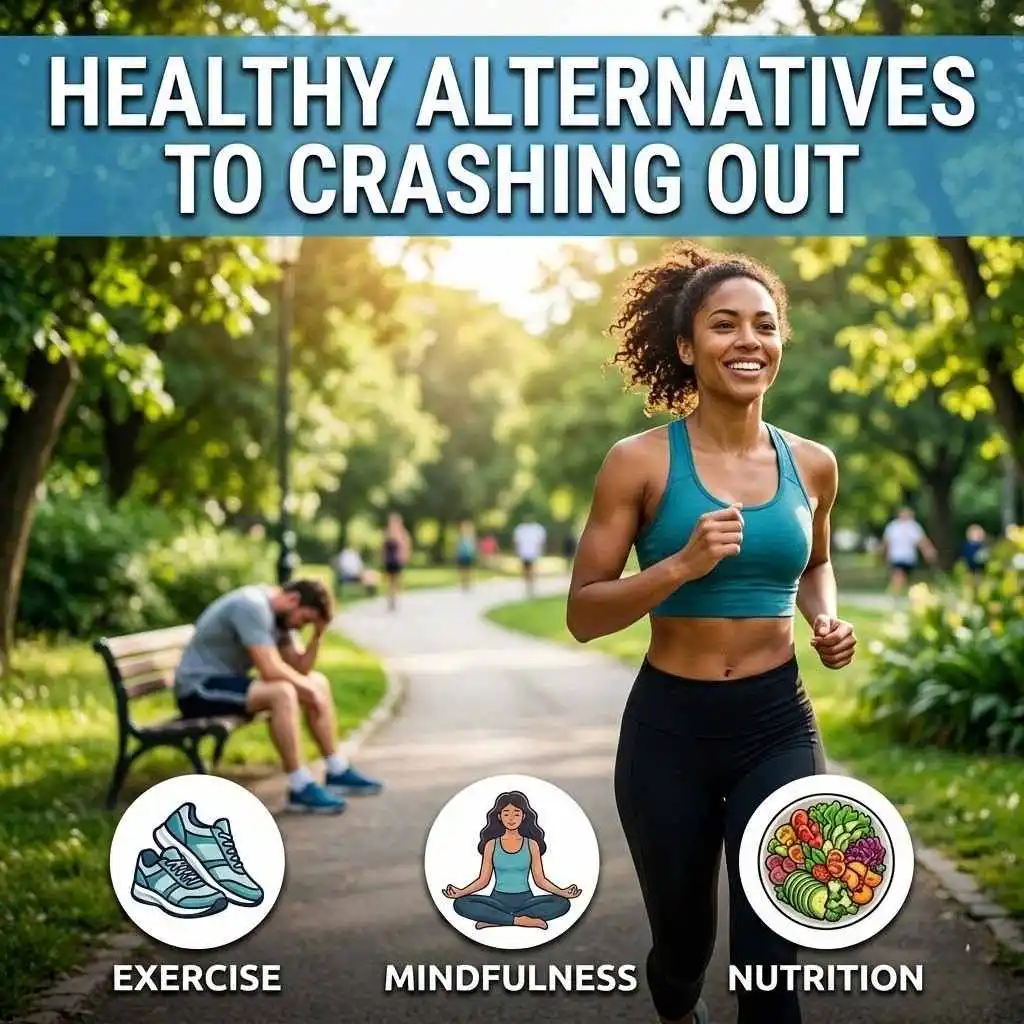
Instead of exploding or shutting down, try:
- Pause before reacting
- Journal instead of texting
- Take a technology break
- Call someone safe
- Move your body
- Practice breathing exercises
- Set clearer boundaries
- Reduce daily stressors
Even one improved response changes long-term patterns.
The Cultural Shift Behind Modern Slang
Language reflects society.
“Crash out” emerged during:
- Rising anxiety rates
- Increased digital saturation
- Greater mental health awareness
- Shortened attention spans
Slang compresses complex experiences into two words.
It feels relatable. Quick. Shareable.
But beneath the humor sits a serious message:
People feel overwhelmed.
Final Thoughts | What Does Crash Out Mean in Today’s World?
What does crash out mean? It describes losing emotional control after stress builds too high.
Sometimes it’s playful slang. Other times it signals deeper emotional strain. Understanding the difference protects your relationships and mental well-being.
Stress is normal. Explosive or chronic shutdown patterns aren’t. Awareness is your first defense. Language evolves fast but emotional health still requires intention.

Ashton Cole is an American author celebrated for his compelling storytelling and ability to capture the depth of human emotions. His works often explore themes of love, resilience, and self-discovery, making him a relatable voice for readers around the world.
He has published several well-received books, including:
-
Whispers of Dawn – a reflective novel about finding hope in life’s darkest moments.
-
Beneath the Silent Sky – a moving story of love, memory, and the bonds that shape us.
-
The Edge of Forever – a thought-provoking tale that blends drama, destiny, and the courage to begin again.
Through his writing, Ashton strives to inspire readers to see beauty in both the struggles and triumphs of life. When he isn’t writing, he enjoys exploring new cities, collecting rare books, and spending time in cozy coffee shops where many of his story ideas take shape.