

“What does circa mean?” You’ve probably seen this small word before dates in history books, museums, or antique descriptions and wondered what it really means.
At first, it can look confusing or technical but its meaning is actually simple and useful.
Understanding circa helps you read historical timelines, research family history and interpret dates more accurately.
This complete guide explains the meaning of circa, its origin, examples and how to use it correctly in real life.
Circa Meaning Explained Simply
The word circa means “approximately,” “around,” or “about.” It is used when the exact date of an event is not known but an estimated time is available.
In simple terms:
- Circa = Around
- Circa = Approximately
- Circa = About
For example:
- Born circa 1800 → Born around 1800
- Built circa 1925 → Built approximately 1925
Circa tells readers that the date is not exact but close to the actual time.
Pronunciation of Circa
Circa is pronounced as:
SER-kuh
Breakdown:
- SER (like “sir”)
- kuh (soft ending)
It is easy to say once you hear it a few times.
What Does Circa Mean in Dates?
Circa is most commonly used before dates to show that the exact year is uncertain.
For example:
- Abraham Lincoln was born circa 1809.
- This building was constructed circa 1900.
- The painting was created circa 1885.
This means the event happened around that year but the exact date may not be known.
Circa does not mean exactly that year. Instead, it suggests the event likely happened within a few years before or after that date.
For example:
- Circa 1800 may mean between 1795 and 1805
- Circa 1900 may mean between 1895 and 1905
The exact range depends on available historical evidence.
Circa Abbreviation Meaning
Circa is often abbreviated to make writing shorter.
Common abbreviations include:
- c.
- ca.
Both mean the same thing as circa.
Examples:
- c. 1850 → Around 1850
- ca. 1920 → Approximately 1920
Historians, researchers, and museums frequently use these abbreviations.
Origin of the Word Circa
Circa comes from Latin. In Latin, circa means “around” or “near.”
The word entered English through academic and historical writing. Scholars used it to describe estimated dates when exact records were unavailable.
Even today, circa remains a standard term in:
- History
- Archaeology
- Genealogy
- Academic research
Its Latin origin makes it sound formal and precise.
Why Historians Use Circa

Historians use circa because exact dates are not always known.
Many events happened long before modern record-keeping existed. Records may have been:
- Lost
- Destroyed
- Never created
Circa allows historians to provide the best possible estimate based on available evidence.
For example:
If historians believe a structure was built around 1200 but do not know the exact year, they write:
Built circa 1200
This maintains accuracy while acknowledging uncertainty.
How to Use Circa Correctly in Writing
Using circa correctly is simple. Follow these rules:
Rule 1: Place Circa Before the Date
Correct:
- Born circa 1875
Incorrect:
- Born 1875 circa
Rule 2: Use It When the Date Is Not Exact
Correct:
- The artifact was created circa 1500.
Incorrect:
- The artifact was created circa July 4, 1500.
Circa is unnecessary when the exact date is known.
Rule 3: Use With Years, Not Exact Days
Circa works best with:
- Years
- Centuries
- Historical periods
Examples:
- circa 1800
- circa 19th century
Real Examples of Circa in Sentences
Here are clear examples to help you understand usage:
- The house was built circa 1920.
- The manuscript was written circa 1450.
- My great-grandfather was born circa 1890.
- This coin dates to circa 300 BC.
- The village was founded circa 1700.
Each example shows an approximate date.
Circa Meaning in Antiques and Collectibles
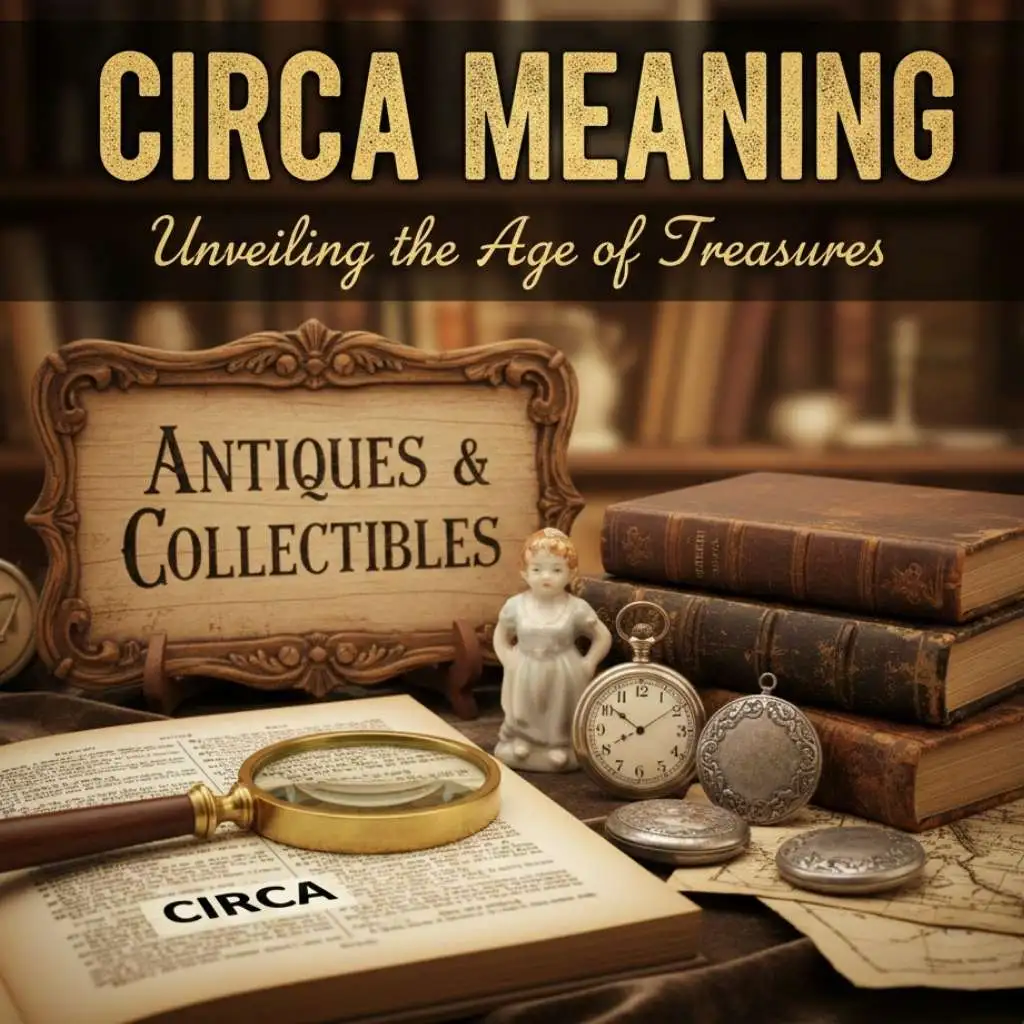
Circa is very common in antique stores and auction listings.
Example:
- Victorian chair, circa 1870
- Oil painting, circa 1905
- Antique clock, circa 1820
This helps buyers understand the estimated age of the item.
Age affects value. Older items are often more valuable.
Circa provides a professional and accurate estimate.
Circa Meaning in Genealogy and Family History
Genealogy researchers use circa when exact birth or death dates are unknown.
Example:
- John Smith, born circa 1780
- Mary Johnson, died circa 1835
Many older birth records do not exist. Circa helps fill these gaps responsibly.
It prevents false precision while still providing useful information.
Circa vs Approximately vs About vs Around
All these words have similar meanings but different usage styles.
| Word | Meaning | Formality | Common Usage |
| Circa | Approximately | Formal | History, antiques |
| Approximately | Nearly exact estimate | Formal | Academic writing |
| About | Around | Informal | Everyday speech |
| Around | Approximately | Informal | Casual conversation |
Circa is more formal and commonly used in historical contexts.
How Accurate Is Circa?
Circa indicates an estimate, not an exact date.
It usually means the actual date is close but uncertain.
For example:
Circa 1800 could mean:
- 1798
- 1801
- 1803
Historians base estimates on evidence such as:
- Documents
- Artifacts
- Written records
- Scientific analysis
Circa maintains honesty in historical reporting.
Where You Commonly See Circa
You will often see circa in these places:
- History books
- Museums
- Antique shops
- Genealogy records
- Academic articles
- Historical websites
It is a standard term in professional and educational contexts.
Circa Meaning in Art and Museums
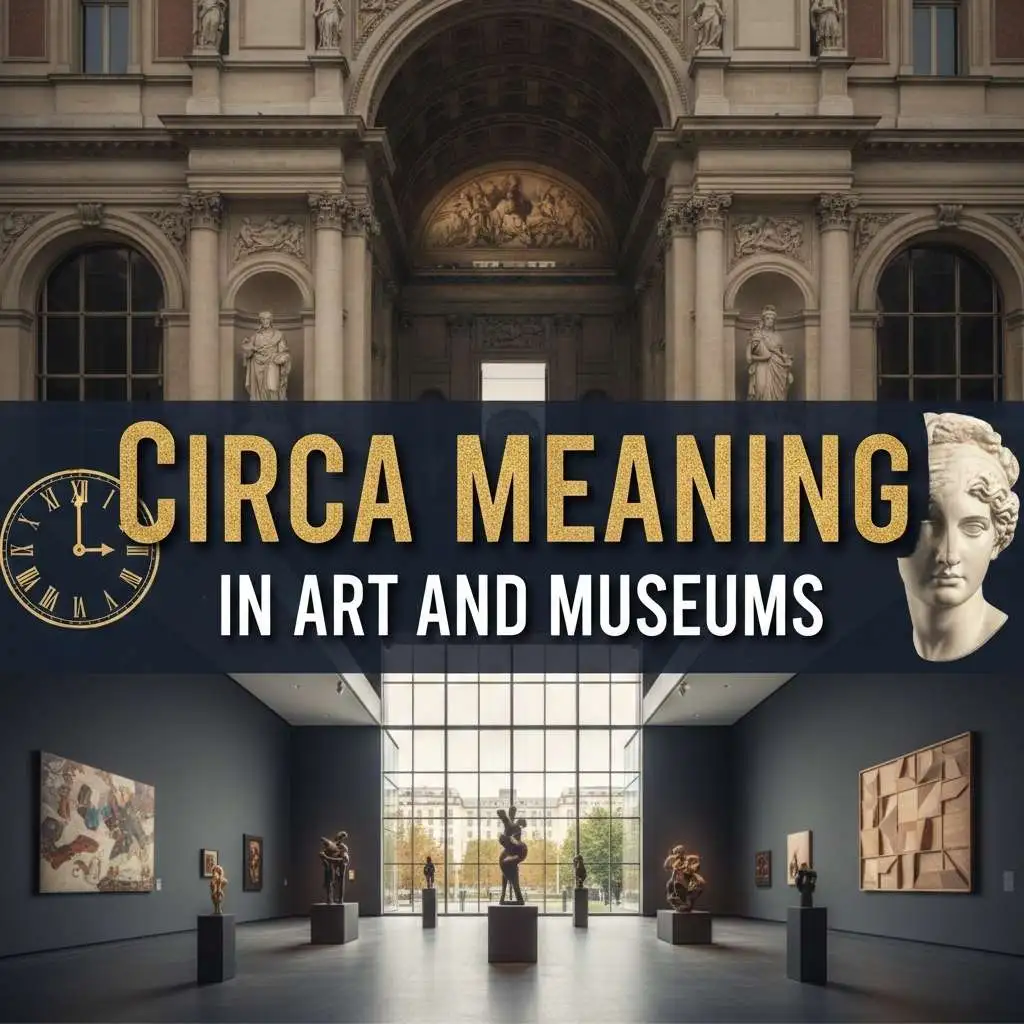
Museums frequently use circa to describe artwork.
Example:
- Painting by Vincent van Gogh, circa 1888
This indicates experts estimate the painting was created around that year.
Art historians determine dates using:
- Style analysis
- Materials
- Historical records
Circa communicates this estimate clearly.
Common Mistakes People Make When Using Circa
Avoid these mistakes:
Using Circa With Exact Dates
Incorrect:
Born circa January 5, 1900
Correct:
Born January 5, 1900
or
Born circa 1900
Using Circa When Exact Date Is Known
If you know the exact year, circa is unnecessary.
Placing Circa After the Date
Incorrect:
1900 circa
Correct:
circa 1900
Circa Meaning in Academic and Professional Writing
Circa is widely used in formal writing.
Examples include:
- Research papers
- Historical analysis
- Archaeological reports
- Museum documentation
It helps maintain accuracy and professionalism.
FAQ | What Does Circa Mean?
Does circa mean exact?
No. Circa means approximately, not exact.
What does c. mean before a date?
C. is an abbreviation for circa and means approximately.
Does circa mean before or after?
It can mean before or after. It indicates an approximate time near that date.
Why do historians use circa?
They use it when exact dates are unknown but estimates exist.
How do you use circa in a sentence?
Example: The castle was built circa 1400.
Conclusion
Circa is a simple but powerful word that means approximately or around. It helps historians, researchers, and writers communicate estimated dates honestly when exact information is unavailable.
You will commonly see circa in history books, museums, genealogy records, and antique descriptions. Understanding what circa means allows you to interpret historical information more accurately and use the term correctly in your own writing.
Whenever you see circa before a date, remember it represents an educated estimate, not an exact moment in time.

Edward Grant is an American author known for his modern storytelling and thought-provoking narratives. With a passion for exploring human emotions, relationships, and the complexities of everyday life, Edward writes in a style that feels both relatable and inspiring. His journey as a writer began in his early 20s, fueled by a love for literature and a deep curiosity about the world around him.
Over the years, Edward has developed a reputation for crafting characters that feel real, layered, and unforgettable. Whether he’s writing contemporary fiction or reflective essays, his work resonates with readers who value authenticity and emotional depth. Beyond writing, Edward is also an avid reader and enjoys spending time in quiet libraries and creative workspaces where new ideas come to life.
Some of his notable works include Whispers of Tomorrow, Shadows of the Heart, and The Last Horizon, each of which has received appreciation for its unique voice and meaningful storytelling.