

“What does blue collar mean” in today’s world? You’ve probably heard the term used in conversations about jobs, income or social class.
Sometimes it carries pride. Other times, misunderstanding. The truth sits somewhere deeper.
Blue collar work powers cities, builds infrastructure, keeps energy flowing and turns plans into reality.
This guide breaks down the blue collar meaning, explains how it differs from white collar work and shows why this type of employment remains essential in the modern economy.
What Does Blue Collar Mean?
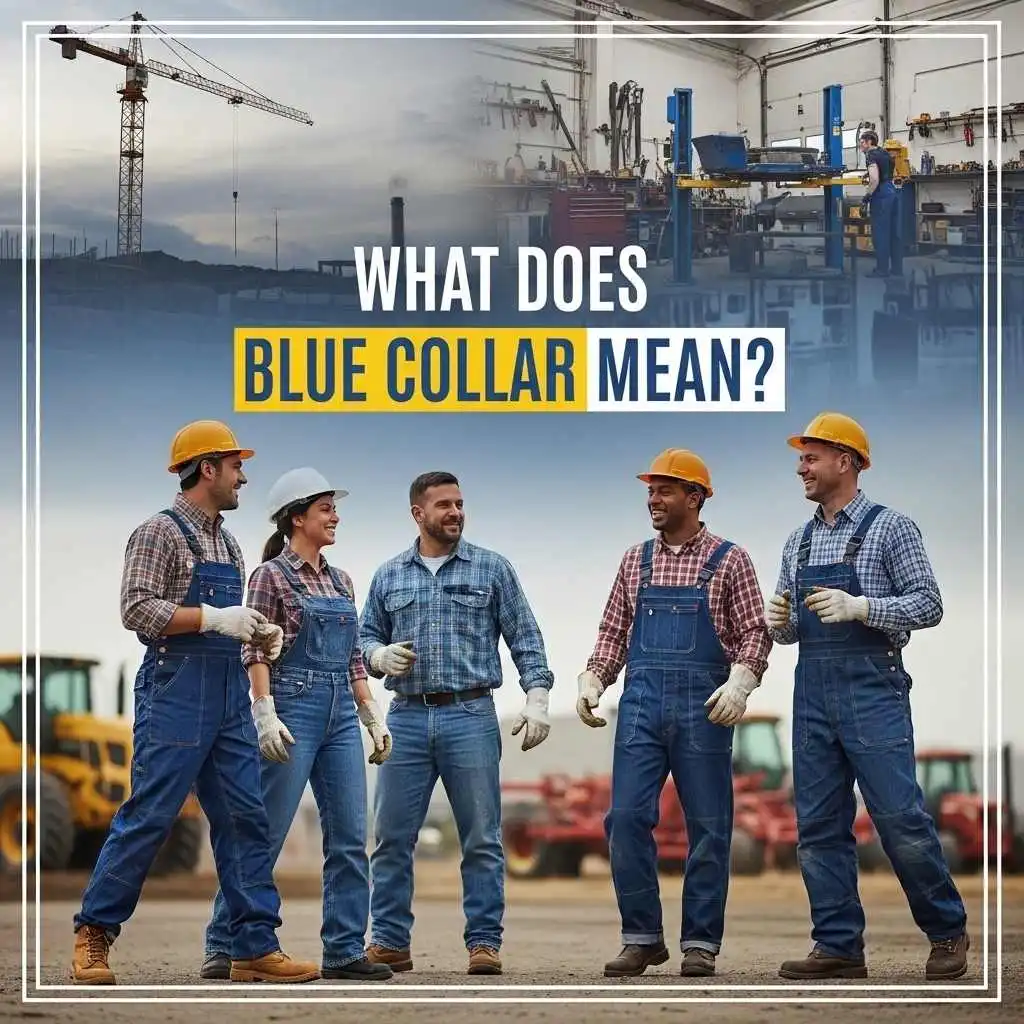
At its core, blue collar refers to jobs that involve hands-on work, physical tasks, or technical skills rather than desk-based duties. These roles often take place outside traditional office settings and focus on producing, building, repairing, or maintaining something tangible.
The term dates back to the early 20th century. Workers in factories, construction sites, and industrial plants wore durable blue shirts or uniforms to hide dirt and grease. Office employees wore white shirts. Over time, those colors turned into labels.
Today, the blue collar definition goes far beyond clothing. It describes a category of work defined by:
- Manual or technical labor
- Non-office work environments
- Skill-based or task-driven responsibilities
- Hourly wages or project-based pay, though some roles are salaried
Blue collar work isn’t outdated. It evolved. Many modern roles now require advanced training, certifications, and deep technical expertise.
Blue collar doesn’t mean low skill. It means applied skill.
Blue Collar vs White Collar Explained Simply
One of the most searched questions is blue collar vs white collar. The comparison matters because it shapes how people view careers, income, and status.
Key Differences at a Glance
| Factor | Blue Collar | White Collar |
| Work environment | Industrial, outdoor, technical | Office or remote |
| Type of work | Physical, hands-on, technical | Administrative, managerial |
| Pay structure | Hourly, overtime, project-based | Salaried |
| Education path | Trade school, apprenticeships | College or university |
| Income ceiling | Can reach six figures | Often higher early on |
| Job demand | High and growing | Competitive |
White collar jobs focus on planning, analysis, management, and communication. Blue collar jobs focus on execution and results. Both matter. One cannot function without the other.
Core Characteristics of Blue Collar Work
To understand blue collar work, you need to understand how it functions day to day.
Common Traits You’ll See
- Physical labor or repetitive motion
- Use of tools, machinery, or equipment
- Work in industrial settings, construction sites, plants, or outdoor locations
- Clear tasks with measurable outcomes
- Strong emphasis on safety and precision
Many roles also demand mental focus. A nuclear technician or avionics specialist works with complex systems where mistakes carry serious consequences.
Skilled vs Unskilled Blue Collar Jobs
A major misconception paints all blue collar roles as unskilled. That view ignores reality.
Skilled Blue Collar Workers
These jobs require training, certifications, and experience:
- Electricians
- Welders
- Elevator installers
- Nuclear technicians
- Avionics technicians
- Power plant operators
Skills often take years to master. Pay reflects that expertise.
Unskilled or Entry Level Blue Collar Jobs
These roles focus on basic tasks and offer on-the-job training:
- General construction laborers
- Warehouse workers
- Factory line assistants
Many workers start here and move up through apprenticeships or trade programs.
Blue collar careers reward progression. Skill equals leverage.
Education, Training and Certifications
Unlike white collar paths, blue collar education emphasizes practical learning.
Common Training Routes
- Trade schools for focused technical education
- Apprenticeship programs combining work and instruction
- Certifications and licenses required by law or industry
- Employer-sponsored training
You won’t always need a four-year degree. What matters more is competence.
Examples of Required Credentials
- Electrician licenses
- Welding certifications
- OSHA safety training
- Commercial driver licenses
These credentials increase earning power and job security.
How Blue Collar Workers Get Paid
Pay structure plays a huge role in how people perceive blue collar employment.
Common Pay Models
- Hourly wages with overtime pay
- Project-based pay for contract work
- Union-negotiated wage scales
- Salaried technical roles
Overtime alone can dramatically increase income. Many workers earn 20–40% more annually through overtime shifts.
Average Blue Collar Salaries and High Paying Jobs
Let’s talk numbers. Blue collar income varies widely by skill, industry, and location.
High-Paying Blue Collar Jobs
| Job Title | Average Pay |
| Nuclear power plant operator | $121,240 |
| Elevator installer | $90,740 |
| Power distributor | $81,340 |
| Boilermaker | $77,080 |
| Electrician | $73,840 |
| Construction supervisor | $70,000+ |
Many skilled blue collar workers earn six-figure incomes, especially in energy, mining, and specialized construction.
Common Blue Collar Jobs and Roles
Here are real-world examples of blue collar jobs across industries:
- Factory workers
- Welders
- Mechanics
- Electricians
- Construction workers
- Power plant operators
- Subway operators
- Coal miners
- Masons and bricklayers
- Firefighter supervisors
- Avionics technicians
Each role contributes directly to infrastructure, safety, and economic stability.
Industries That Depend on Blue Collar Workers
Entire sectors rely on blue collar workers to function.
Major Industries
- Construction
- Manufacturing
- Energy and power
- Mining
- Automaking
- Electronics
- Environmental conservation
- Healthcare support
- Film-making and technical production
Without blue collar labor, supply chains collapse and services halt.
The Role of Technology in Blue Collar Jobs
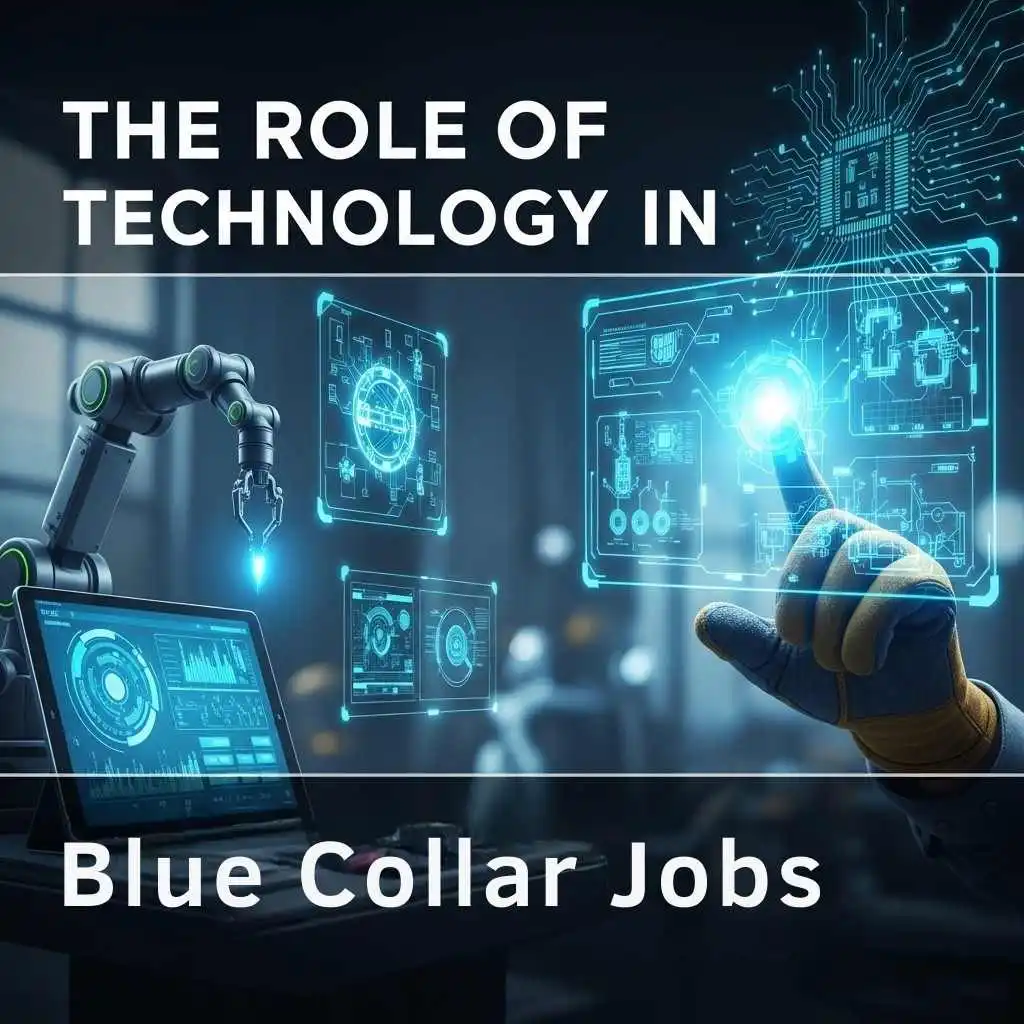
Technology didn’t eliminate blue collar work. It reshaped it.
How Technology Changed the Field
- Automation reduced repetitive tasks
- Advanced machinery increased productivity
- Digital diagnostics improved safety
- Technical skills became more valuable
Modern blue collar workers often operate computerized systems, robotics, and smart equipment.
Today’s blue collar worker is part technician, part problem-solver.
Social Perception and Class Identity
The term working class often overlaps with blue collar work. That overlap causes confusion.
Social Context
- Some view blue collar as outdated
- Others see it as a badge of honor
- Media stereotypes ignore income and skill growth
Is the term offensive? Not inherently. Context matters. Many workers proudly identify as blue collar.
Blue Collar Jobs Today vs the 1920s
In the early 1920s, blue collar meant factory lines and coal mines. Safety standards were minimal. Training was informal.
Today’s reality looks different:
- Regulated safety protocols
- Advanced equipment
- Specialized training
- Higher wages
The label stayed. The work transformed.
Collar Classifications Explained
You’ll often hear other “collar” terms used alongside blue collar.
Common Collar Types
- Blue collar – manual and technical work
- White collar – office and administrative work
- Gold collar – highly specialized professionals
- Gray collar – roles blending manual and office work
- Pink collar – service-oriented jobs
- Green collar – sustainability and environmental work
- Red collar – government or civil service roles
These labels help categorize labor but rarely capture the full picture.
Blue Collar Career Paths and Advancement
Blue collar work offers real upward mobility.
Career Growth Options
- Promotion into supervisory roles
- Transition into management
- Starting independent businesses
- Moving into consulting or training roles
Many successful business owners started as tradespeople.
Blue Collar vs White Collar Income Reality
Income doesn’t follow stereotypes anymore.
- Entry-level white collar jobs often pay less
- Skilled blue collar workers earn more earlier
- Job demand remains strong for trades
- Automation impacts white collar roles too
Income depends on skill scarcity, not collar color.
Is Blue Collar Work Still Relevant Today?
Absolutely. In fact, demand is rising.
- Infrastructure expansion increases construction needs
- Energy transition creates new technical roles
- Skilled labor shortages raise wages
- Automation boosts productivity, not replacement
Blue collar work remains essential to economic stability.
Frequently Asked Questions
What does blue collar mean in simple terms?
It refers to hands-on or technical jobs outside office settings, often paid hourly.
Are blue collar jobs low paying?
No. Many skilled roles earn over $70,000 per year or more.
Is blue collar work outdated?
Not at all. Modern blue collar jobs use advanced technology and training.
Do blue collar workers need college degrees?
Most don’t. Trade schools and apprenticeships matter more.
What is the difference between blue collar and working class?
Blue collar describes job type. Working class describes social and economic status.
Can blue collar jobs lead to management roles?
Yes. Many supervisors and business owners started in trades.
Conclusion
Understanding “what does blue collar mean” requires moving past stereotypes. Blue collar work is skilled, demanding and vital.
It builds infrastructure, powers industries and supports daily life. These jobs offer strong pay, clear career paths and real world impact.
As technology advances and labor demand grows, blue collar employment stands not as a fallback option but as a respected and sustainable career choice.

Tyler Wells is an American author known for his captivating storytelling and thoughtful insights into modern life. With a natural talent for weaving words into meaningful narratives, he has built a strong connection with readers who appreciate both authenticity and imagination.
Over the years, Tyler has written several acclaimed books, including “Echoes of the Dawn” (a moving story about hope and new beginnings), “Whispers Between the Lines” (a heartfelt story exploring love, loss, and resilience), and “The Silent Hour” (a suspenseful drama that keeps readers turning pages late into the night). His works blend emotional depth with relatable characters, making them both timeless and relevant for today’s audience.
Beyond writing, Tyler enjoys sharing his thoughts on creativity, personal growth, and the human experience. Whether through his books or his articles, he inspires readers to look at life from new perspectives and embrace their own stories with courage.