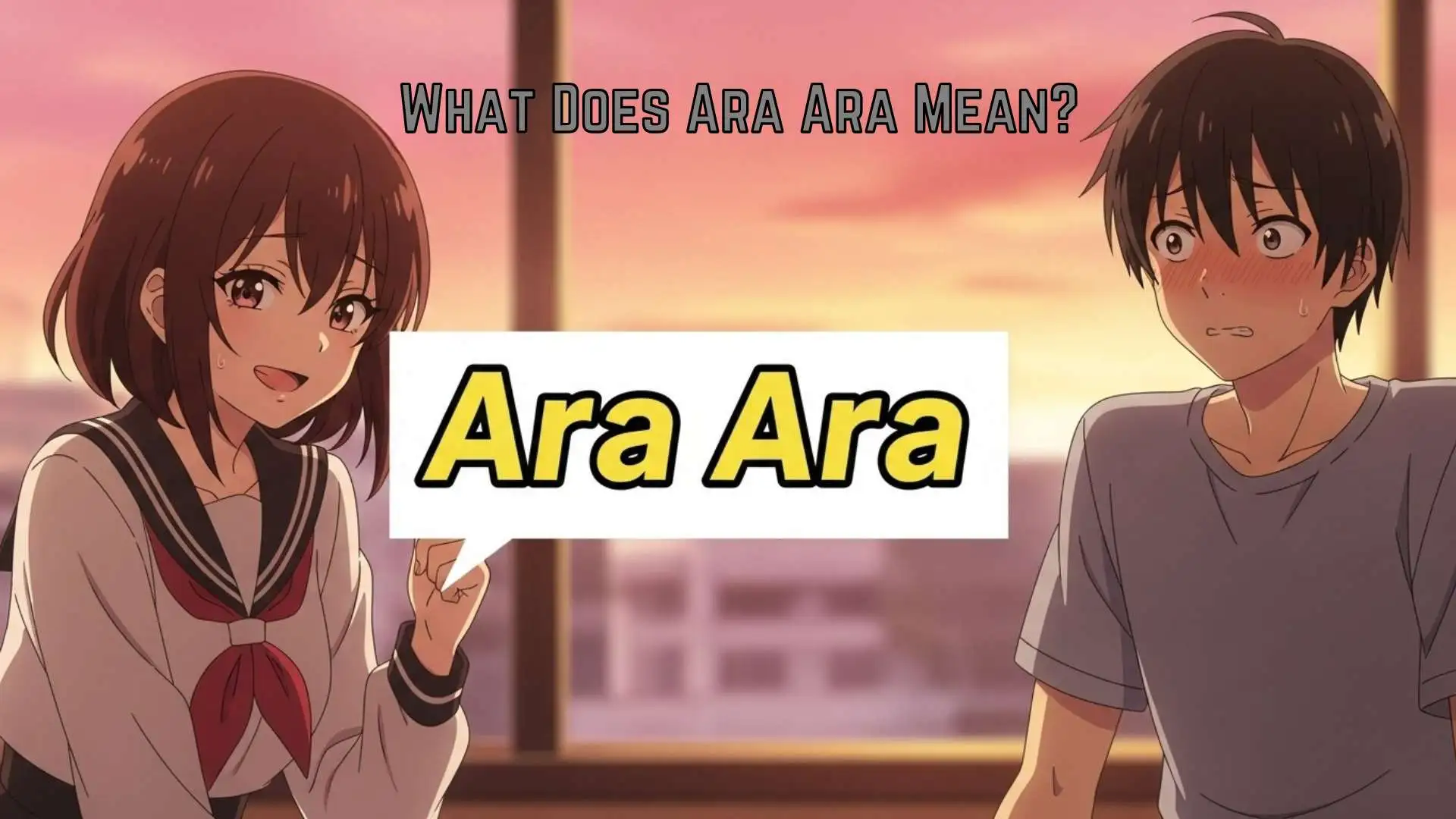
“What does ara ara mean” is a question many anime fans ask after hearing this soft yet mysterious phrase again and again.
It sounds gentle, playful, and somehow suggestive at the same time.
You’ll hear it in anime, memes, and Japanese pop culture, but its real meaning often gets misunderstood.
Let’s break it down clearly so you know exactly what it means, where it comes from and why it feels so powerful.
What Does “Ara Ara” Mean in Japanese?
In Japanese pop culture and everyday conversations, certain short expressions carry deep emotional nuance and “ara ara” is one of the most recognizable. This simple phrase instantly conveys a gentle, calm reaction rather than strong shock or excitement. Because of its soft tone, it’s often associated with politeness, maturity, and subtle emotional expression in Japanese communication.
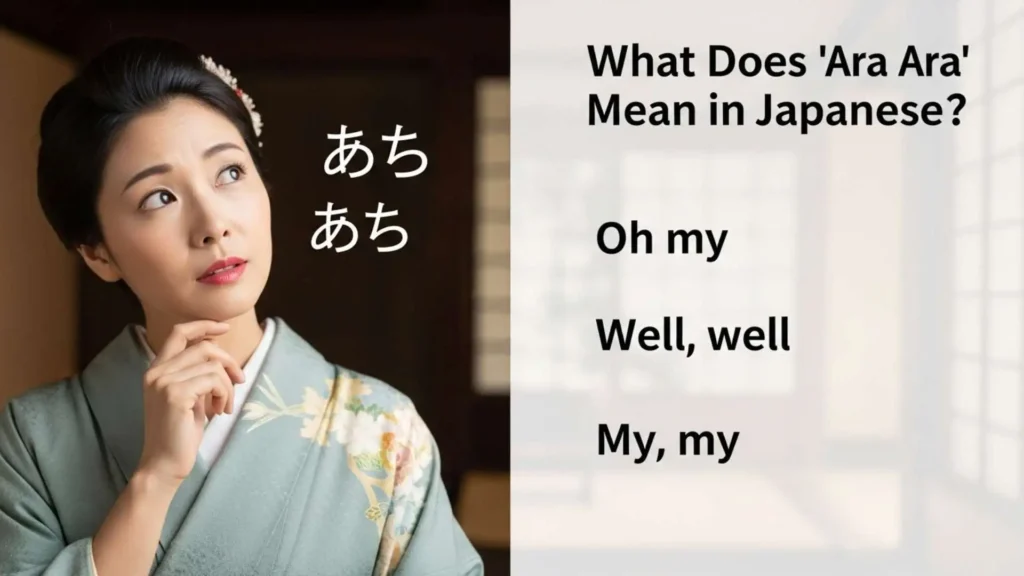
In Japanese, “ara ara” (あらあら) is a common interjection used to express mild surprise, gentle concern, or amused observation. Native speakers often use it in calm, polite situations rather than dramatic ones.
The closest English equivalents are:
- “Oh my”
- “Well, well”
- “My, my”
The phrase itself is soft and non-aggressive. On its own, it carries no sexual meaning. Its emotional tone depends entirely on how and when it’s said.
The Origin and Linguistic Background of “Ara Ara”
The word “ara” has existed in Japanese for centuries as a reaction to something unexpected. Repeating it as “ara ara” softens the expression and makes it sound warmer and more refined.
In everyday Japanese:
- It’s more common among women
- Often associated with maturity or elegance
- Rarely used in loud or intense situations
This repetition reflects a broader Japanese language pattern where doubling a word adds emotional nuance rather than emphasis.
How “Ara Ara” Is Used in Real Japanese Conversations
Outside anime, “ara ara” appears in normal, polite speech. For example:
- A woman noticing a small mistake
- A gentle response to minor trouble
- A calm reaction to unexpected news
It’s most natural in:
- Casual but polite settings
- Conversations among adults
- Situations that don’t require urgency
Using it in serious or formal business contexts would sound strange.
What Does “Ara Ara” Mean in Anime and Manga?
Anime changed how the world understands “ara ara.” In fiction, it’s often exaggerated through:
- Slow delivery
- Soft, confident voice acting
- Suggestive facial expressions
Anime uses “ara ara” as a personality marker, not just a phrase. It signals calm control, confidence, and emotional maturity, which is why it feels more intimate on screen.
Is “Ara Ara” Flirting or Sexual?
By itself, no.
But in anime, context transforms meaning.
It feels flirtatious when:
- Spoken slowly
- Paired with teasing behavior
- Used by a dominant or confident character
In Japanese culture, the phrase remains neutral. The suggestive interpretation comes mainly from anime presentation and fan culture, not the language itself.
The “Ara Ara Onee San” Trope Explained
“Onee-san” means “older sister,” but in anime it often represents a mature, confident woman. When paired with “ara ara,” it creates a playful dynamic:
- Calm authority
- Gentle teasing
- Emotional confidence
Fans love this trope because it blends warmth with quiet dominance, making the phrase emotionally powerful without explicit meaning.
Popular Anime Characters Known for Saying “Ara Ara”
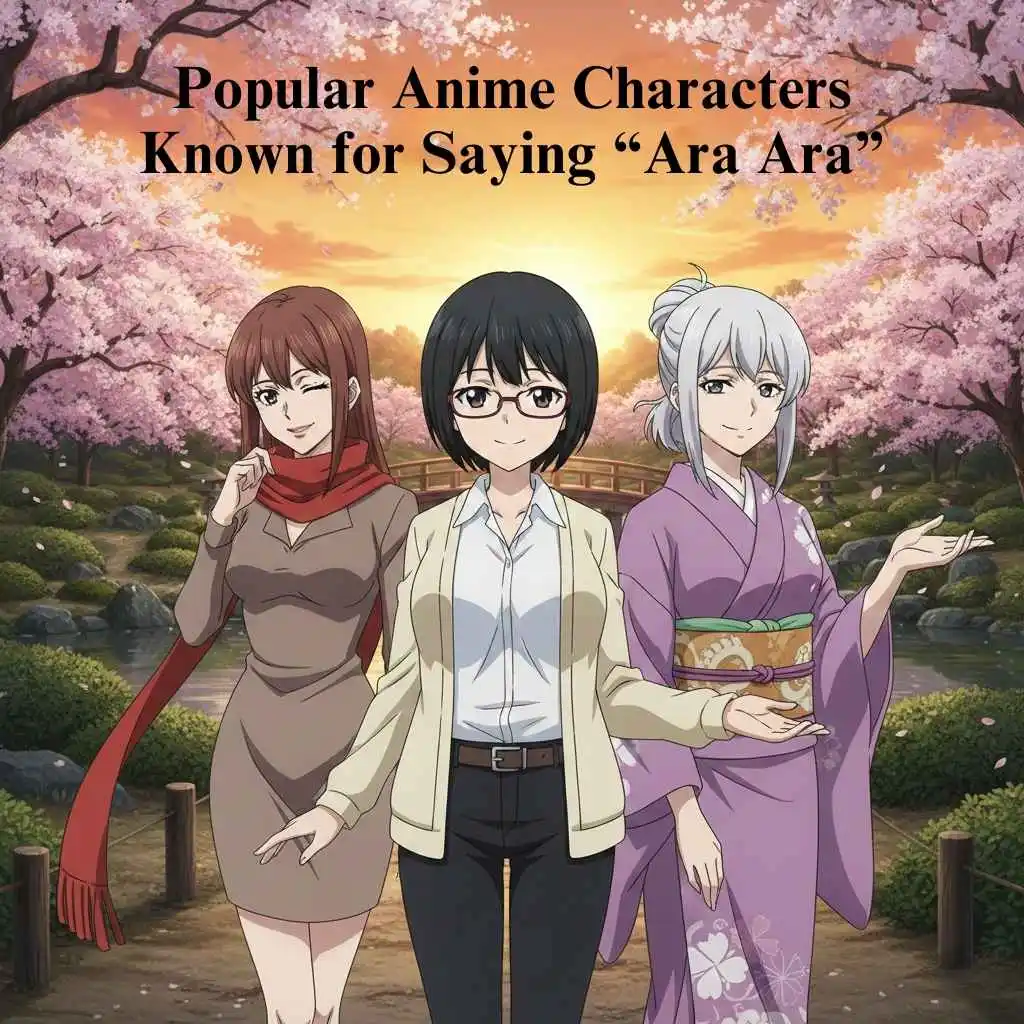
Several characters helped popularize the phrase globally:
- Mature female mentors
- Confident caretakers
- Calm but playful women
These characters shaped how international audiences interpret “ara ara,” even though the meaning in Japan stayed the same.
Ara Ara in Internet Culture and Memes
Online culture amplified “ara ara” into a meme. Platforms like TikTok, Reddit, and YouTube often strip the phrase from its cultural context, exaggerating its tone for humor or fan service.
This is why many people now associate it with seduction rather than language.
Can Men Say “Ara Ara”?
Technically yes, but culturally it’s uncommon.
When men say it:
- It often sounds ironic
- Sometimes humorous
- Rarely natural
Native speakers associate it strongly with feminine speech patterns, especially among older women.
How to Use “Ara Ara” Correctly
If you’re learning Japanese:
- Use it sparingly
- Avoid exaggerated anime tones
- Stick to light, polite situations
Safer alternatives include:
- “Ara”
- “Sou desu ka”
- “Maa maa”
These expressions convey similar feelings with less risk of sounding unnatural.
Common Misconceptions About “Ara Ara”
- It always means flirting → ❌
- It’s anime-only → ❌
- It’s inappropriate → ❌
In reality, it’s a normal phrase that anime simply dramatized.
What Native Japanese Speakers Think About “Ara Ara”
Most native speakers see it as:
- Polite
- Mild
- Slightly old-fashioned
When foreigners overuse it with exaggerated delivery, it may sound amusing rather than offensive.
Should You Use “Ara Ara” as a Non Japanese Speaker?
You can, but context matters. Understanding its cultural meaning shows respect and prevents awkward moments. Enjoy it as part of anime culture, but use it carefully in real conversations.
Conclusion
So, what does ara ara mean really comes down to context, tone, and culture. In Japanese, it’s a gentle expression of surprise or amusement.
In anime, it becomes a symbol of confidence and playful teasing. Knowing the difference helps you appreciate the phrase without misunderstanding it, and lets you enjoy it the way it was meant to be enjoyed.
Discover More:
- Find Out What Does Preppy Mean? Real Meaning, Fashion Aesthetic, TikTok Slang & Modern Trends in 2026
- Learn What Does NFS Mean on Wizz? Complete Guide to NFS Slang in Text, Chat and Social Media in 2026
- Understand What Does BMF Mean? The Real Meaning, Origins and How People Use It Today in 2026

Edward Grant is an American author known for his modern storytelling and thought-provoking narratives. With a passion for exploring human emotions, relationships, and the complexities of everyday life, Edward writes in a style that feels both relatable and inspiring. His journey as a writer began in his early 20s, fueled by a love for literature and a deep curiosity about the world around him.
Over the years, Edward has developed a reputation for crafting characters that feel real, layered, and unforgettable. Whether he’s writing contemporary fiction or reflective essays, his work resonates with readers who value authenticity and emotional depth. Beyond writing, Edward is also an avid reader and enjoys spending time in quiet libraries and creative workspaces where new ideas come to life.
Some of his notable works include Whispers of Tomorrow, Shadows of the Heart, and The Last Horizon, each of which has received appreciation for its unique voice and meaningful storytelling.