

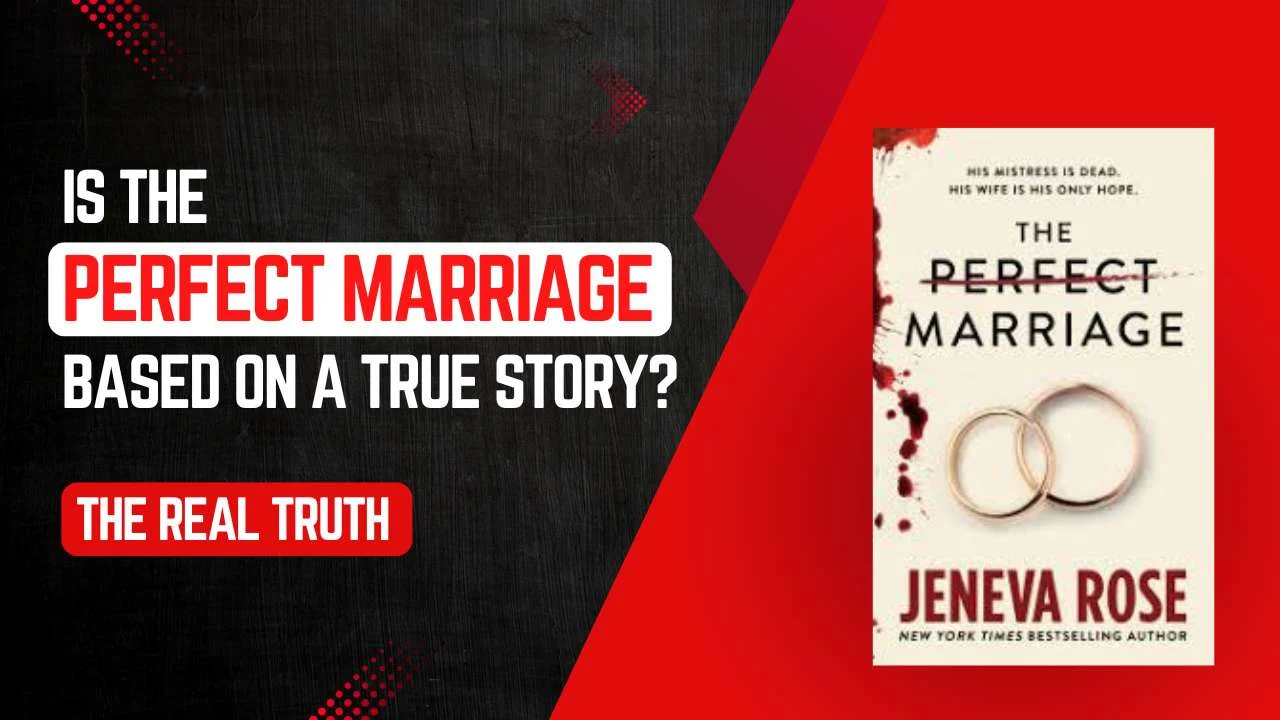
Few modern novels have sparked as much confusion, outrage, and fascination as The Perfect Marriage by Jeneva Rose.
A single viral TikTok video blurred the line between fiction and reality and left thousands of viewers asking the same question: Is The Perfect Marriage based on a true story?
The short answer is no—but the full story is far more layered, revealing how digital storytelling, viral marketing and human psychology collided in real time.
This article breaks down the facts, clears the misinformation and explains exactly why so many people believed a fictional psychological thriller was real.
Why So Many People Think The Perfect Marriage Is Real
The belief that The Perfect Marriage might be based on real events did not come from the book itself. It came from how the story was marketed, especially on TikTok.
Short-form video thrives on shock, emotion, and immediacy. When viewers encounter a dramatic confession-style clip without context, the brain fills in gaps quickly. This is exactly what happened here.
Several factors made the confusion almost inevitable:
- The video used real people, not actors
- It mirrored the tone of true crime confession clips
- It avoided explicit disclaimers in the opening seconds
- It tapped into existing true crime obsession online
The result was a perfect storm of fiction mistaken as nonfiction.
What The Perfect Marriage Is Actually About
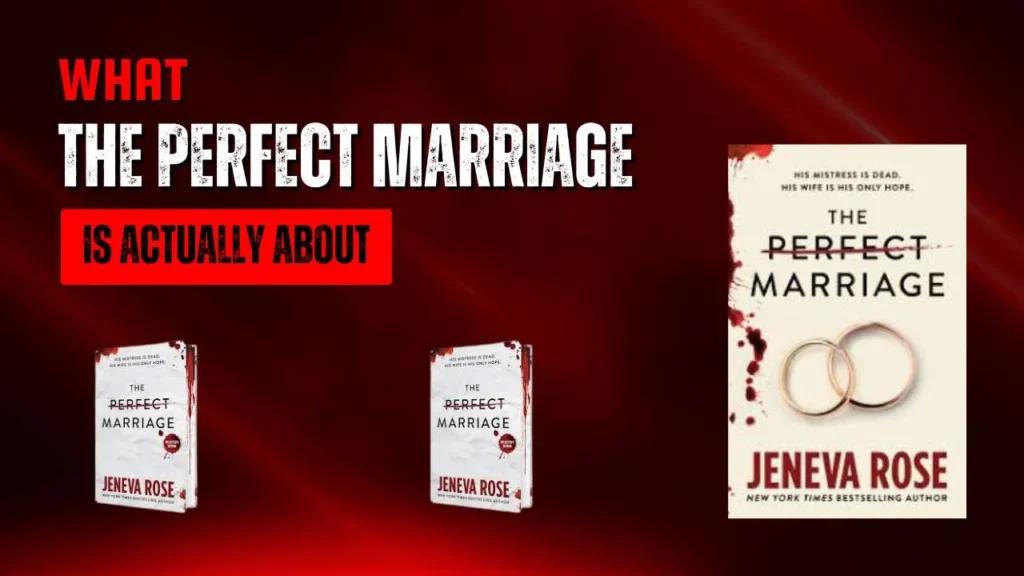
Before diving into the controversy, it helps to understand the novel itself.
The Perfect Marriage is a psychological thriller, not a memoir or true crime account. The story centers on a high-powered criminal defense attorney whose husband is accused of murdering his mistress. As the case unfolds, secrets surface, loyalties fracture, and nothing is as clean as it seems.
Core Themes in the Novel
- Infidelity and betrayal
- Moral ambiguity
- Power dynamics in marriage
- Justice vs truth
- Emotional manipulation
The book is intentionally written to feel realistic. Courtroom details, relationship tension, and character psychology all ground the story in familiar reality. That realism is a strength—but it also fueled misunderstanding.
Who Is Jeneva Rose?
Jeneva Rose is not a debut author who stumbled into virality by accident. She is a bestselling author with a clear brand built around suspense and emotional tension.
Key Facts About Jeneva Rose
| Detail | Information |
| Profession | Novelist |
| Genre | Psychological thriller |
| Breakout Book | The Perfect Marriage |
| Platform Strength | TikTok, Instagram |
| Publishing Format | Paperback, Kindle, Audiobook |
| Known For | High-concept suspense and twists |
Her books regularly chart on Amazon bestseller lists, and she is widely recognized for using TikTok marketing to connect with readers.
Importantly, she has never claimed The Perfect Marriage is based on her real life or marriage.
Is The Perfect Marriage Based on a True Story? (Clear Answer)
No. The Perfect Marriage is not based on a true story.
It is a work of fiction, fully imagined and written as a psychological thriller.
However, the confusion arises because:
- The marketing used role-playing
- The story mirrors real-world crime dynamics
- Emotional realism feels authentic
- Social media stripped away context
This does not make the book deceptive. It makes it convincing.
The Viral TikTok Video That Started Everything
The controversy began when a viral TikTok video showed Jeneva Rose’s husband appearing to confess to murder—mirroring the plot of The Perfect Marriage.
The clip exploded in visibility, generating nearly 50,000 views in a short window and driving massive comment engagement.
What the Video Included
- Her husband pretending to be a killer
- Dialogue framed like a confession
- No immediate text disclaimer
- Emotional delivery and realism
Many viewers assumed they were watching a real confession tied to a real crime.
Why Viewers Misunderstood the Video
The misunderstanding wasn’t stupidity. It was psychology.
Why the Brain Believed It
- TikTok trains users to expect authenticity
- Confession-style videos feel personal
- True crime content dominates the platform
- Comments reinforced false assumptions
Once early commenters framed the video as real, others followed. This is a classic case of online misinformation driven by social proof.
The Backlash | Outrage, Accusations and Online Anger
As the video spread, reactions intensified.
Emotional Responses Observed
- Shock at the alleged confession
- Anger toward the author
- Outrage over perceived deception
- Sarcasm and meme responses
- Admiration from marketing professionals
Some viewers accused Jeneva Rose of exploiting serious crime for attention. Others praised the stunt as creative marketing.
Clarifications and Follow Up Videos
Once the misunderstanding became clear, follow-up clarification videos were posted.
These explained:
- The video was scripted
- Her husband was acting
- The story was fictional
- The clip was part of book promotion
At this point, many viewers felt relief. Others remained frustrated, feeling misled.
Did the Controversy Boost Book Sales?
Yes—and the numbers are clear.
Sales Impact After Virality
| Metric | Result |
| Copies Sold | 11,000+ |
| Timeframe | Four days |
| Amazon Rank | Bestseller status |
| Formats | Paperback, Kindle, Audiobook |
| Engagement | Massive spike |
This case became a textbook example of how viral storytelling can convert attention into sales.
Was This Ethical Marketing or Audience Deception?
This question still divides opinion.
Arguments Supporting the Strategy
- Fictional storytelling is allowed in marketing
- No permanent harm occurred
- Clarifications were provided
- The book was clearly labeled fiction
Arguments Against It
- Initial lack of disclaimer
- Exploited true crime sensitivity
- Caused emotional distress
- Fueled misinformation briefly
The truth sits in the gray zone. The campaign was intentional, creative, and effective, but it also revealed how easily audiences can be misled in fast-paced digital spaces.
Why The Perfect Marriage Feels So Real
The novel works because it taps into real fears and experiences.
Elements That Increase Believability
- Familiar marriage dynamics
- Realistic legal procedures
- Emotional restraint in dialogue
- No exaggerated villain tropes
This realism is why the fiction vs nonfiction confusion took hold so quickly.
How This Case Changed Book Marketing
After this controversy, many authors began rethinking how they approach digital marketing for authors.
Lasting Industry Impact
- More visible disclaimers
- Increased transparency in role-play
- Ethical discussions in publishing
- Growth of TikTok as a sales engine
This incident is now frequently referenced in conversations about viral book promotion.
Facts vs Myths About The Perfect Marriage
| Claim | True or False |
| Based on real murder | ❌ False |
| Husband is a criminal | ❌ False |
| TikTok confession was real | ❌ False |
| Book is psychological thriller | ✅ True |
| Marketing was intentional | ✅ True |
Frequently Asked Questions
Is The Perfect Marriage a true crime book?
No. It is a psychological thriller novel.
Did Jeneva Rose’s husband really confess?
No. He acted as a fictional character.
Was the TikTok video fake?
It was scripted role-play for promotion.
Why did people believe it?
Because of realistic delivery and lack of immediate context.
Conclusion
The Perfect Marriage is not based on a true story, but its viral rise proves how powerful modern storytelling has become.
A fictional plot, paired with TikTok virality, blurred reality and imagination in a way few books ever achieve. The backlash, debate, and sales surge all highlight one truth: when fiction feels real, it captures attention fast.
In the end, this controversy didn’t expose a crime, it exposed how easily audiences can believe a compelling story.
Read More:
- https://anniversiry.com/the-perfect-marriage-review/
- https://anniversiry.com/the-perfect-marriage-ending-explained/
Tyler Wells is an American author known for his captivating storytelling and thoughtful insights into modern life. With a natural talent for weaving words into meaningful narratives, he has built a strong connection with readers who appreciate both authenticity and imagination.
Over the years, Tyler has written several acclaimed books, including “Echoes of the Dawn” (a moving story about hope and new beginnings), “Whispers Between the Lines” (a heartfelt story exploring love, loss, and resilience), and “The Silent Hour” (a suspenseful drama that keeps readers turning pages late into the night). His works blend emotional depth with relatable characters, making them both timeless and relevant for today’s audience.
Beyond writing, Tyler enjoys sharing his thoughts on creativity, personal growth, and the human experience. Whether through his books or his articles, he inspires readers to look at life from new perspectives and embrace their own stories with courage.